Lesson 08 of 50 · 古いです・静かです · みんなの日本語 第8課 · N5
Story voice: 〜 N3–N2 Japanese — above this lesson’s level, on purpose. Your target is the Key Sentences.
Episode 08: Words for the City
Mini Story
feel how Mike describes the city.
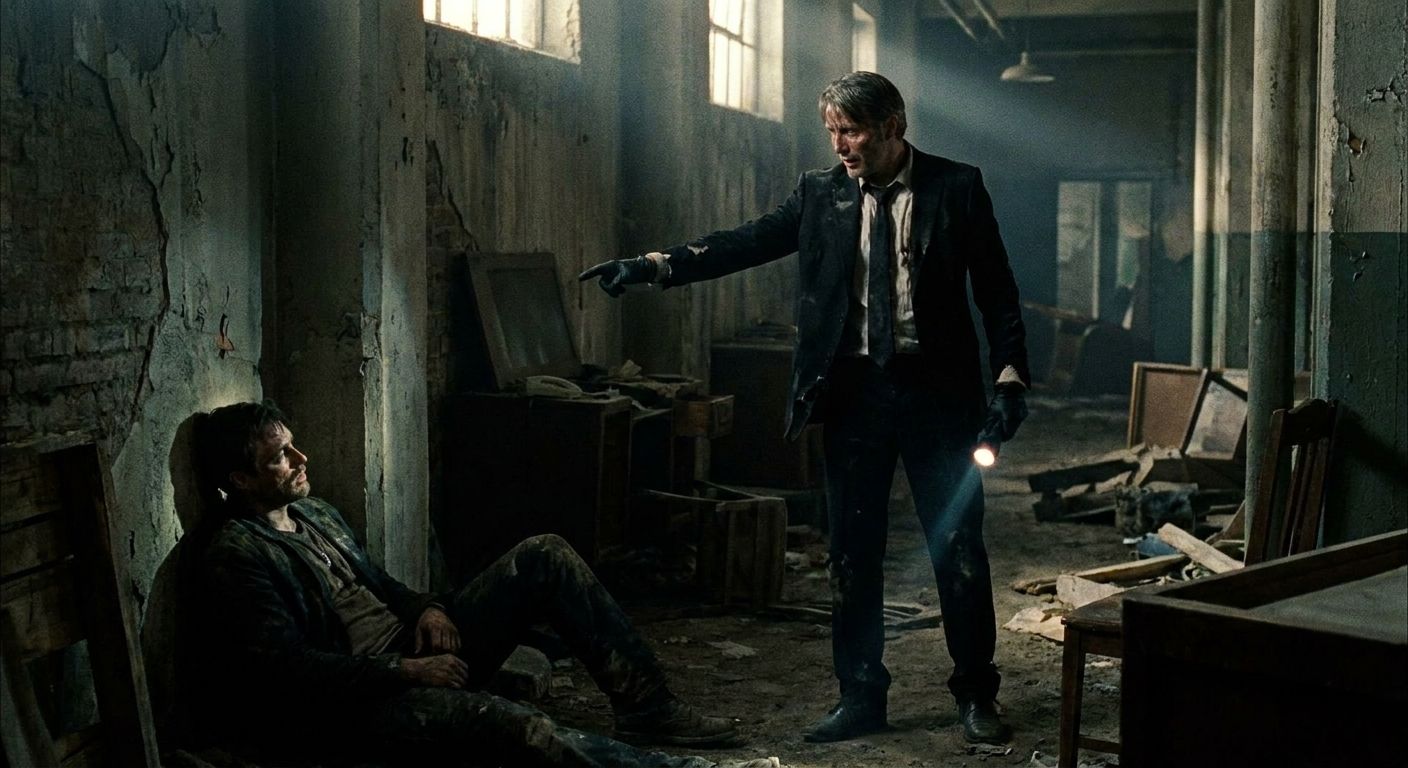
Mike walks the city at night. To tell what he has seen, he needs exact words — adjectives. The shape of a wall. The kind of silence. How new a tool is.麦克走在夜里的街上。要说清看到的东西——需要精确的词,需要形容词。墙的形状。寂静的种类。工具的新旧。麥克走在夜裡的街上。要說清看到的東西——需要精確的詞,需要形容詞。牆的形狀。寂靜的種類。工具的新舊。Mike đi trong thành phố về đêm. Muốn kể lại những gì đã thấy — cần những từ chính xác, cần tính từ. Hình dáng của bức tường. Kiểu của sự im lặng. Độ mới của dụng cụ.
夜の街を歩くマイク。 見たものを語るには ── 正確な言葉、 形容詞が要る。 壁の形。 静けさの種類。 道具の新しさ。
On the corner of an empty street, an old building. Concrete walls. No sign, no light — nothing.没有人影的街角,一栋旧楼。水泥的墙。招牌没有,灯光也没有。沒有人影的街角,一棟舊樓。水泥的牆。招牌沒有,燈光也沒有。Góc một con phố không bóng người, một toà nhà cũ. Tường bê tông. Không biển hiệu, cũng không ánh đèn.
人気のない通りの角に、 古い建物。 コンクリートの壁。 看板も光も、 ない。
ビルは 古いです。
Mike slips in through the back door. The corridor is quiet — too quiet. He listens. He waits.麦克从后门溜进去。走廊很静——静得过分。他侧耳听。他等。麥克從後門溜進去。走廊很靜——靜得過分。他側耳聽。他等。Mike lách vào từ cửa sau. Hành lang yên tĩnh — yên tĩnh đến đáng ngờ. Anh lắng tai. Anh chờ.
マイクは裏口から滑り込む。 廊下は静か ── 静かすぎる。 耳を澄ます。 待つ。
部屋は 静かです。
This work — for years now. It takes focus. It takes strength. It takes a hand that does not shake.这份工作,他做了多少年。要专注。要体力。要一双稳得住的手。這份工作,他做了多少年。要專注。要體力。要一雙穩得住的手。Công việc này — đã bao nhiêu năm. Cần sự tập trung. Cần thể lực. Cần một bàn tay không run.
この仕事を、 何年も。 集中を要する。 体力を要する。 落ち着いた手を、 要する。
マイクは 元気な スパイです。
The lens he broke yesterday needs replacing. A new chapter, a new tool. Hood up, eyes down, Mike steps into a small electronics shop.昨天弄坏的镜头,要换新的。新的一章,就要新的工具。麦克拉起兜帽,垂下眼睛,走进一家小小的电器行。昨天弄壞的鏡頭,要換新的。新的一章,就要新的工具。麥克拉起兜帽,垂下眼睛,走進一家小小的電器行。Ống kính vỡ hôm qua cần thay mới. Chương mới, dụng cụ mới. Kéo mũ trùm lên, cụp mắt xuống, Mike bước vào một tiệm điện tử nhỏ.
昨日壊した レンズ を、 新しく。 新章には新しい道具を。 マイクはフードを被り、 目を伏せて、 小さな電器店に入る。
マイクは 新しい カメラを 買います。
Chapter 3: The First Exchange →
Key Sentences
read each aloud, swap subjects.
1. N は い-adj です (the building is old)
ビルは 古いです。
- The building is old.
- 这栋楼很旧。 / 這棟樓很舊。
- Tòa nhà cũ.
2. N は な-adj です (the room is quiet)
部屋は 静かです。
- The room is quiet.
- 房间很安静。 / 房間很安靜。
- Căn phòng yên tĩnh.
3. な-adj + な + N (an energetic spy)
マイクは 元気な スパイです。
- Mike is an energetic spy.
- 麦克是一个精力充沛的间谍。 / 麥克是一個精力充沛的間諜。
- Mike là một điệp viên năng động.
4. い-adj + N (a new camera)
マイクは 新しい カメラを 買います。
- Mike buys a new camera.
- 麦克买一台新的相机。 / 麥克買一台新的相機。
- Mike mua một máy ảnh mới.
Practice out loud
Say the answer before you look. The same sentences you just read — now from your own mouth.
ビルは 新しいですか。
いいえ、新しくないです。古いです。
部屋は にぎやかですか。
いいえ、にぎやかじゃありません。静かです。
マイクは どんな スパイですか。
マイクは 元気な スパイです。
マイクは 何を 買いますか。
マイクは 新しい カメラを 買います。
あなたの 町は どんな 町ですか。
your own answer
日本の 食べ物は おいしいですか。
your own answer
Green — HQ asks you. Blue — Mike answers. Dashed — your turn.
Vocabulary
group い-adj together, な-adj together.
| 日本語 | English | 简体 | 繁體 | Tiếng Việt |
|---|---|---|---|---|
| 古い この ビルは 古いです。 | old (い-adj) This building is old. | 旧 这栋楼很旧。 | 舊 這棟樓很舊。 | cũ Tòa nhà này cũ. |
| 新しい 新しい カメラを 買います。 | new (い-adj) I will buy a new camera. | 新 我要买新相机。 | 新 我要買新相機。 | mới Tôi sẽ mua máy ảnh mới. |
| 大きい 部屋は 大きいです。 | big (い-adj) The room is big. | 大 房间很大。 | 大 房間很大。 | to, lớn Căn phòng rộng. |
| 小さい わたしの 部屋は 小さいです。 | small (い-adj) My room is small. | 小 我的房间很小。 | 小 我的房間很小。 | nhỏ Phòng của tôi nhỏ. |
| 面白い この 本は 面白いです。 | interesting (い-adj) This book is interesting. | 有意思 这本书很有意思。 | 有意思 這本書很有意思。 | thú vị Quyển sách này thú vị. |
| 静か じむしつは 静かです。 | quiet (な-adj) The office is quiet. | 安静 办公室很安静。 | 安靜 辦公室很安靜。 | yên tĩnh Văn phòng yên tĩnh. |
| にぎやか 町は にぎやかです。 | lively (な-adj) The town is lively. | 热闹 这个城市很热闹。 | 熱鬧 這個城市很熱鬧。 | nhộn nhịp Thị trấn nhộn nhịp. |
| 元気 マイクは 元気な スパイです。 | energetic, well (な-adj) Mike is an energetic spy. | 精力充沛 麦克是个精神饱满的间谍。 | 精力充沛 麥克是個精神飽滿的間諜。 | khoẻ, năng động Mike là một điệp viên đầy sức sống. |
| 有名 この 町は 有名です。 | famous (な-adj) This town is famous. | 有名 这个城市很有名。 | 有名 這個城市很有名。 | nổi tiếng Thị trấn này nổi tiếng. |
| 親切 あの 人は 親切です。 | kind (な-adj) That person is kind. | 亲切 那个人很亲切。 | 親切 那個人很親切。 | tử tế Người kia tử tế. |
| きれい 写真は きれいです。 | pretty, clean (な-adj) The photo is beautiful. | 漂亮 / 干净 照片很漂亮。 | 漂亮 / 乾淨 照片很漂亮。 | đẹp / sạch Tấm ảnh đẹp. |
| ビル あの ビルは 新しいです。 | building That building is new. | 大楼 那栋楼很新。 | 大樓 那棟樓很新。 | tòa nhà Tòa nhà kia mới. |
| 部屋 部屋は きれいじゃありません。 | room The room is not clean. | 房间 房间不干净。 | 房間 房間不乾淨。 | căn phòng Căn phòng không sạch. |
| とても この 本は とても 面白いです。 | very This book is very interesting. | 非常 这本书非常有意思。 | 非常 這本書非常有意思。 | rất Quyển sách này rất thú vị. |
| あまり この 部屋は あまり 大きくないです。 | not very (with negative) This room is not very big. | 不太 这个房间不太大。 | 不太 這個房間不太大。 | không lắm Căn phòng này không rộng lắm. |
Grammar Patterns
notice the two adjective types.
N は い-adj です
The い-adjective itself is the predicate. No な, no extra particle.
N は な-adj です
The な-adjective also serves as predicate. The な drops before です.
い-adj + N
Place the い-adjective directly before the noun. No particle in between.
な-adj + な + N
When a な-adjective modifies a noun, you must add な between them.
Grammar Picture
- 目標文型this lesson’s pattern这一课的句型這一課的句型mẫu câu của bài này
- 名詞noun名词danh từ
- 助詞particle助词trợ từ
- 述語sentence ending句尾句尾phần cuối câu
Need more detail? Open the sections below.
い-adj vs な-adj — how to tell them apart
The dictionary form is the clue:
- い-adj: ends in 「い」 (with kanji + い okurigana)
古い, 新しい, 大きい, 小さい, 高い, 安い, 面白い, おいしい - な-adj: no い ending; needs 「な」 before a noun
静か, 元気, 親切, 有名, にぎやか
Watch out — false い-adj:
- 「きれい」 ends in い but is a な-adj: きれいな 部屋
- 「ゆうめい (有名)」 also ends in い but is a な-adj: 有名な 人
The endings come from the kanji, not from the adjective type. Memorize these as な-adj exceptions.
Predicate vs modifier — when do you add な?
な appears only when a な-adj sits before a noun:
- Predicate (after noun): 部屋は 静かです。 ← no な
- Modifier (before noun): 静かな 部屋 ← な present
For い-adj, there's no な at all:
- Predicate: 部屋は 古いです。
- Modifier: 古い 部屋 ← just place it directly
とても vs あまり — intensifiers
Both modify adjectives, but they have opposite polarities:
- とても + (positive): 部屋は とても 静かです。 = The room is very quiet.
- あまり + (negative): 部屋は あまり 静かじゃありません。 = The room is not very quiet.
「あまり」 cannot be used with positive — never say 「あまり 静かです」.
Listing adjectives — そして / 〜が
Two ways to chain descriptions:
- そして (and): 部屋は 静かです。 そして、 きれいです。 = The room is quiet. And, it's clean.
- 〜が (but): 部屋は 静かですが、 古いです。 = The room is quiet, but it's old.
「そして」 starts a new sentence; 「〜が」 connects within one. Both come up often in adjective practice.
Roleplay Practice
try the shop scene with new adjective pairs.
Try this dialog with a partner (or aloud, switching roles).
Scene: Mike enters the electronics shop. A clerk approaches.
Clerk: いらっしゃいませ。
(Welcome.)
Mike: 新しい カメラは ありますか?
(Do you have new cameras?)
Clerk: はい、 これは 新しいです。 とても 面白いです。
(Yes, this one is new. It's very interesting.)
Mike: 小さいカメラは ありますか?
(Do you have small cameras?)
Clerk: はい、 これは 小さいです。 そして、 有名な カメラです。
(Yes, this one is small. And, it's a famous camera.)
Mike: これを 買います。
(I'll buy this one.)
Switch roles. Try other adjective pairs — 大きい / 小さい, 古い / 新しい, 静か / にぎやか.
How do you say this in Japanese?
Q1. Which is correct: 'a new camera'?
- A. 新しいな カメラ
- B. 新しい カメラ
- C. 新しいの カメラ
Show answer
✓ B. 新しい カメラ
「新しい」 is an い-adj — no な, no の between adjective and noun.
Q2. Which is correct: 'a quiet room'?
- A. 静かな 部屋
- B. 静か 部屋
- C. 静かの 部屋
Show answer
✓ A. 静かな 部屋
「静か」 is a な-adj — add な before the noun.
Q3. 「きれい」 is a:
- A. い-adj (because it ends in い)
- B. な-adj (exception — ends in い but is な-adj)
- C. noun
Show answer
✓ B. な-adj
「きれい」 looks like an い-adj but behaves as a な-adj: きれいな 人.
Q4. In the Mini Story, the building is described as:
- A. 新しい (new)
- B. 古い (old)
- C. 大きい (big)
Show answer
✓ B. 古い (old)
Q5. Write: How would you say 'Tokyo is a lively city' in Japanese?
Try it. Then check below.
Show answer
Sample: 東京は にぎやかな まちです。 (Tokyo is a lively city.)
「にぎやか」 is な-adj, so add な before まち.
How to Use This Lesson
Read the sections in the order they appear. About 40 minutes.
Tomorrow, come back — describe three things in your room today.
For Teachers
For Teachers (45-60 minutes in class)
- Warm-up (5 min): Describe your room — clean? quiet? big? small?
- Sort drill (10 min): Mix 15 adjective cards. Students sort them into い-adj / な-adj columns.
- Predicate drill (10 min): Show pictures. Students make 「___は ___です」 sentences.
- Modifier drill (10 min): Same pictures, but now 「___な / ___い ___」 (adj + noun).
- Roleplay (15 min): Electronics shop / café / city introduction. Pairs invent their own.
- Check Yourself (5-10 min): Individual quiz, group review.
Common pitfall: Students try 「静かい 部屋」 (treating 静か as い-adj). Reinforce that な-adj is closer to a noun in behavior — needs な connector.
Cultural note: 「きれい」 vs 「うつくしい」 — both mean beautiful, but 「きれい」 also covers "clean" and is far more common in everyday speech.
← Lesson 07 | Midnight Encounter | Lesson 09 →
“Minna no Nihongo” (みんなの日本語) is a textbook series by 3A Corporation. Cinema にほんご is an independent site, not affiliated with or endorsed by 3A Corporation — lesson numbers indicate correspondence only, and no textbook text is reproduced here.