
Lesson 25 of 50 · 〜たら・〜ても · みんなの日本語 第25課 · N5
Story voice: 〜 N3–N2 Japanese — above this lesson’s level, on purpose. Your target is the Key Sentences.
Episode 25: If and Even If
Mini Story
the closing chapter of Season 1.
A spy carries a hundred conditionals. If the contact comes. If the door is open. Even if the weather turns. Even if the money runs out. In the two words たら and ても live a thousand possible futures.间谍身上背着一百个条件句。如果联络人来了。如果门开着。就算天气变了。就算钱用光了。「たら」和「ても」这两个词里,住着一千种可能的未来。間諜身上背著一百個條件句。如果聯絡人來了。如果門開著。就算天氣變了。就算錢用光了。「たら」和「ても」這兩個詞裡,住著一千種可能的未來。Điệp viên mang theo một trăm câu điều kiện. Nếu người liên lạc đến. Nếu cánh cửa đang mở. Dù thời tiết có đổi. Dù tiền có cạn. Trong hai chữ 「たら」 và 「ても」 trú ngụ một nghìn tương lai có thể xảy ra.
スパイ は、 百の条件文を抱える。 コンタクト が来たら。 扉が開いていたら。 たとえ天気が変わっても。 たとえ金が尽きても。「たら」 と「ても」 の二語に、 千の可能な未来が宿る。
This mission has an end date. Written on a small piece of paper, folded inside his passport. And with it, one quiet thought.现在这个任务,有结束的日子。写在一张小纸上,折好,夹在护照里。随之而来的,是一个安静的念头。現在這個任務,有結束的日子。寫在一張小紙上,摺好,夾在護照裡。隨之而來的,是一個安靜的念頭。Nhiệm vụ lần này có ngày kết thúc. Được viết trên một mảnh giấy nhỏ, gấp lại, kẹp trong hộ chiếu. Và kèm theo, một ý nghĩ lặng lẽ.
今の ミッション には、 終了日。 小さな紙に書き、 パスポート の中に折り畳んである。 そして、 ひとつの静かな思考。
仕事が 終わったら、 マイクは 家に 帰ります。
Tonight’s plan does not change. Storm, or no storm.今晚的计划,不会变。有暴风雨,或者没有。今晚的計畫,不會變。有暴風雨,或者沒有。Kế hoạch đêm nay không đổi. Có bão, hay không có bão.
今夜の計画は、 変わらない。 嵐があろうと、 なかろうと。
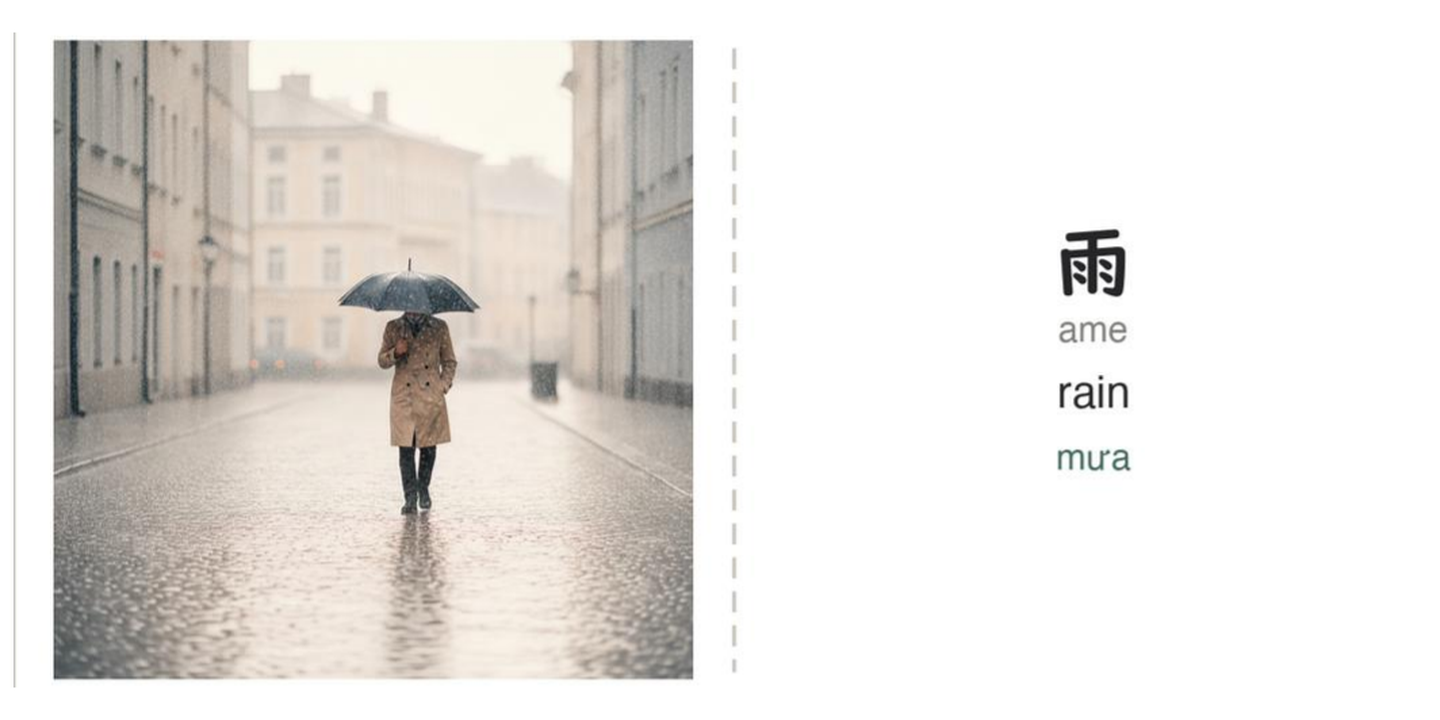
雨が 降っても、 マイクは 行きます。
Far in the future — after the mission, after the secrets, after the cover identity dissolves — one wish. Modest, and patient.遥远的将来——任务之后,秘密之后,伪装身份溶解之后——一个愿望。不大,很有耐心。遙遠的將來——任務之後,祕密之後,偽裝身分溶解之後——一個願望。不大,很有耐心。Một tương lai xa — sau nhiệm vụ, sau những bí mật, sau khi thân phận giả tan đi — một điều ước. Khiêm nhường, và kiên nhẫn.
遠い未来 ── ミッション の後、 秘密の後、 カバー 身分 が溶けた後 ── ひとつの願い。 控えめで、 忍耐強い。
お金が あったら、 マイクは 京都に 行きたいです。
And one quiet trust. The friend who knows, and never asks. The friend who will not turn away — whatever the truth is.还有一份安静的信任。那个知道,却从不问的朋友。无论真相是什么,都不会转身离开的朋友。還有一份安靜的信任。那個知道,卻從不問的朋友。無論真相是什麼,都不會轉身離開的朋友。Và một niềm tin lặng lẽ. Người bạn biết, mà không bao giờ hỏi. Người bạn sẽ không quay lưng — dù sự thật là gì.
そして、 ひとつの静かな信頼。 知っているが、 決して問わない友。 真実が何であれ、 背を向けない友。
もし マイクが スパイでも、 友達は 信じます。
Key Sentences
1. V-たら、 main (when / if X happens)
仕事が 終わったら、 マイクは 家に 帰ります。
- When work ends, Mike returns home.
- 工作结束的话,麦克回家。 / 工作結束的話,麥克回家。
- Khi công việc kết thúc, Mike sẽ về nhà.
2. V-ても、 main (even if)
雨が 降っても、 マイクは 行きます。
- Even if it rains, Mike will go.
- 就算下雨,麦克也会去。 / 就算下雨,麥克也會去。
- Dù trời mưa, Mike vẫn sẽ đi.
3. V-たら、 V-たい (if X, want Y)
お金が あったら、 マイクは 京都に 行きたいです。
- If (he) had money, Mike would want to go to Kyoto.
- 如果有钱,麦克想去京都。 / 如果有錢,麥克想去京都。
- Nếu có tiền, Mike muốn đi Kyoto.
4. N でも、 main (even if it is a N)
もし マイクが スパイでも、 友達は 信じます。
- Even if Mike is a spy, (his) friend believes (in him).
- 就算麦克是间谍,朋友也相信他。 / 就算麥克是間諜,朋友也相信他。
- Dù Mike có là điệp viên, người bạn vẫn tin tưởng.
Practice out loud
Say the answer before you look. The same sentences you just read — now from your own mouth.
仕事が 終わったら、マイクは どう しますか。
仕事が 終わったら、家に 帰ります。
雨が 降ったら、マイクは 京都へ 行きませんか。
いいえ、雨が 降っても、マイクは 京都へ 行きます。
お金が あったら、マイクは 何を したいですか。
お金が あったら、京都に 行きたいです。
もし マイクが スパイでも、友達は どう しますか。
もし マイクが スパイでも、友達は 信じます。
一億円 あったら、何を したいですか。
your own answer
日本語が 上手に なったら、何を したいですか。
your own answer
Green — HQ asks you. Blue — Mike answers. Dashed — your turn.
Vocabulary
| 日本語 | English | 简体 | 繁體 | Tiếng Việt |
|---|---|---|---|---|
| V-たら 仕事が 終わったら、家に 帰ります。 | if / when When work is over, Mike goes home. | 如果 / 的话 工作结束后,麦克就回家。 | 如果 / 的話 工作結束後,麥克就回家。 | nếu Khi công việc xong, Mike về nhà. |
| V-ても 雨が 降っても、会社へ 行きます。 | even if Even if it rains, he goes to the office. | 就算 / 即使 就算下雨,他也去公司。 | 就算 / 即使 就算下雨,他也去公司。 | dù Dù trời mưa, anh ấy vẫn đến công ty. |
| もし もし お金が あったら、京都に 行きたいです。 | if (emphatic) If I had money, I'd want to go to Kyoto. | 如果 要是有钱的话,我想去京都。 | 如果 要是有錢的話,我想去京都。 | nếu Giả sử có tiền thì tôi muốn đi Kyoto. |
| 終わります 仕事が 終わりました。 | end, finish Work is over. | 结束 工作结束了。 | 結束 工作結束了。 | kết thúc Công việc đã xong. |
| 始まります 仕事は 9時に 始まります。 | begin Work starts at nine. | 开始 工作九点开始。 | 開始 工作九點開始。 | bắt đầu Công việc bắt đầu lúc chín giờ. |
| 信じます もし スパイでも、友達は 信じます。 | believe, trust Even if he is a spy, his friend believes him. | 相信 就算他是间谍,朋友也相信他。 | 相信 就算他是間諜,朋友也相信他。 | tin Dù anh ấy là điệp viên, bạn anh vẫn tin anh. |
| お金 お金が あったら、旅行したいです。 | money If I had money, I'd like to travel. | 钱 有钱的话,我想去旅行。 | 錢 有錢的話,我想去旅行。 | tiền Nếu có tiền, tôi muốn đi du lịch. |
| 暇 暇だったら、遊びに 来てください。 | free (time) If you're free, come over. | 空闲 有空的话,来玩吧。 | 空閒 有空的話,來玩吧。 | rảnh Nếu rảnh thì đến chơi nhé. |
| 天気 天気が よかったら、写真を 撮りに 行きます。 | weather If the weather is good, I'll go take photos. | 天气 天气好的话,我就去拍照。 | 天氣 天氣好的話,我就去拍照。 | thời tiết Nếu thời tiết đẹp, tôi sẽ đi chụp ảnh. |
| 未来 未来は だれにも 分かりません。 | future Nobody knows the future. | 未来 未来谁也不知道。 | 未來 未來誰也不知道。 | tương lai Không ai biết được tương lai. |
| 過去 過去の ことは 忘れました。 | past I have forgotten the past. | 过去 过去的事我已经忘了。 | 過去 過去的事我已經忘了。 | quá khứ Chuyện quá khứ tôi đã quên rồi. |
| 真実 真実を 知りたいです。 | truth I want to know the truth. | 真相 我想知道真相。 | 真相 我想知道真相。 | sự thật Tôi muốn biết sự thật. |
Grammar Patterns
note 〜たら conjugation across noun, adj, verb.
V-たら、 main clause
If / when V happens, then main. Use the た-form + ら.
N だったら / い-adj-かったら / な-adj だったら
Same pattern for nouns and adjectives. 「学生だったら」「忙しかったら」「静かだったら」.
V-ても、 main clause
Even if V happens, the main result holds. Use the て-form + も.
N でも / い-adj-くても / な-adj でも
For nouns and adjectives. 「学生でも」「忙しくても」「静かでも」.
Grammar Picture
- 目標文型this lesson’s pattern这一课的句型這一課的句型mẫu câu của bài này
- 名詞noun名词danh từ
- 助詞particle助词trợ từ
- 述語sentence ending句尾句尾phần cuối câu
〜たら vs 〜と vs 〜ば — conditionals compared
Three conditionals with overlapping uses:
- 〜たら: most versatile. Past condition, hypothetical, polite suggestion. Use this when in doubt.
- 〜と (L23): natural / inevitable result, directions, habits.
- 〜ば (L35): formal, written, used in proverbs.
For N5 / N4, 〜たら handles most needs. Build comfort with it first.
〜ても — concessive nuance
「〜ても」 = 'even if'. The main clause holds REGARDLESS of the condition.
- 雨が 降っても、 行きます。 = Even if it rains, (I) will go.
- 高くても、 買います。 = Even if it is expensive, (I) will buy it.
Often paired with 「もし」 for emphasis: 「もし 雨が 降っても」.
Cultural pattern — Japanese conditionals are common
Japanese uses conditionals frequently in daily speech — far more than English. Listen for:
- 「よかったら 一緒に 行きませんか?」 = If you would like, would you like to come together?
- 「もしよければ ...」 = If it is OK ...
- 「忙しかったら 大丈夫です」 = If you are busy, it is fine.
Soft conditionals are part of polite invitation and refusal — master 〜たら and your everyday Japanese becomes more natural immediately.
Roleplay Practice
3 conditionals + 3 concessives about your week.
Scene: Two friends plan a trip with weather uncertainty.
Friend: 明日 雨が 降ったら、 どう しますか?
(If it rains tomorrow, what will we do?)
Mike: 雨が 降っても、 行きますよ。
(Even if it rains, I will go.)
Friend: いいですね。 もし 時間が あったら、 京都にも 行きますか?
(Nice. If we have time, shall we go to Kyoto too?)
Mike: はい、 時間が あったら、 ぜひ。
(Yes, if we have time, definitely.)
How do you say this in Japanese?
Q1. What is the たら form of 「終わります」?
- A. 終わるたら
- B. 終わったら
- C. 終わりたら
Show answer
✓ B. 終わったら
Take the た-form, add ら.
Q2. Which means 'Even if it rains'?
- A. 雨が 降ったら
- B. 雨が 降っても
- C. 雨が 降ると
Show answer
✓ B. 雨が 降っても
Q3. 「学生でも」 means:
- A. as a student
- B. even if (I am / he is) a student
- C. for students
Show answer
✓ B. even if a student
N でも = even if (it is) N.
Q4. In the Mini Story, what does Mike\'s friend do, even if Mike is a spy?
- A. 信じます (believes / trusts)
- B. Reports him
- C. Leaves
Show answer
✓ A. 信じます
Q5. Write: One thing you will do, EVEN IF something difficult happens.
Try 「〜ても、 〜ます」.
Show answer
Sample: 雨が 降っても、 わたしは 学校に 行きます。 (Even if it rains, I will go to school.)
Lesson 25 closes Season 1 of Midnight Encounter. Stay tuned for the next Season.
How to Use This Lesson
Read the sections in the order they appear. About 40 minutes.
Tomorrow, come back and say the Key Sentences again — that is where it sticks.
For Teachers
For Teachers (45-60 minutes in class)
- Warm-up (5 min): "If you had a free day, what would you do?" — Each student answers.
- たら drill (10 min): Convert 10 sentences to 〜たら form. Cover verb, noun, adj.
- ても drill (10 min): Pairs of conditional sentences. Switch from 〜たら to 〜ても — feel the nuance shift.
- Hypothetical interview (10 min): "If you won 100,000 yen, what would you do?" — Students chain conditionals.
- Roleplay (15 min): Travel planning with contingencies.
- Season review (5 min): Celebrate completing 25 N5 lessons!
Final note: Season 1 is complete. Students have built a foundation of N5 grammar through the Midnight Encounter story. Ready for N4 — Season 2 will reuse these structures with more sophisticated vocabulary and longer narrative arcs.
← Lesson 24 | Midnight Encounter | Season 2 begins — Lesson 26 →
“Minna no Nihongo” (みんなの日本語) is a textbook series by 3A Corporation. Cinema にほんご is an independent site, not affiliated with or endorsed by 3A Corporation — lesson numbers indicate correspondence only, and no textbook text is reproduced here.