Lesson 26 of 50 · 〜んです・〜ていただけませんか · みんなの日本語 第26課 · N4
Story voice: 〜 N3–N2 Japanese — above this lesson’s level, on purpose. Your target is the Key Sentences.
Episode 26: The Locked Room
Mini Story
The Locked Room.
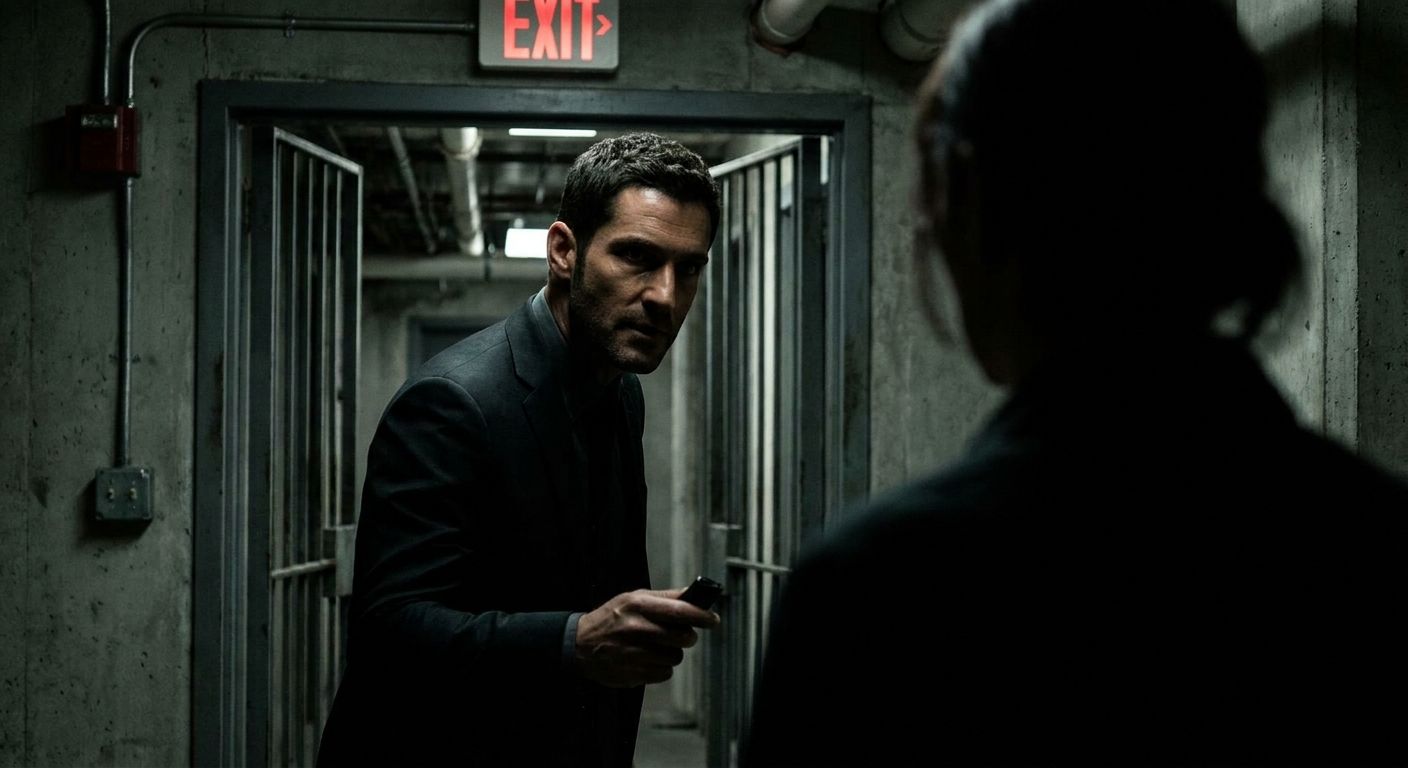
Deep inside the enemy facility, Mike moves through the dark. In the corridor ahead, a silhouette freezes.敌方设施的深处,麦克在黑暗中前进。前方的通道里,一个人影僵住了。敵方設施的深處,麥克在黑暗中前進。前方的通道裡,一個人影僵住了。Sâu trong cơ sở của địch, Mike tiến bước trong bóng tối. Ở lối đi phía trước, một bóng người sững lại.
敵の 施設の 奥深く、マイクは 暗闇を 進む。前方の 通路で、人影が 凍りつく。
どうして ここに いるんですか。
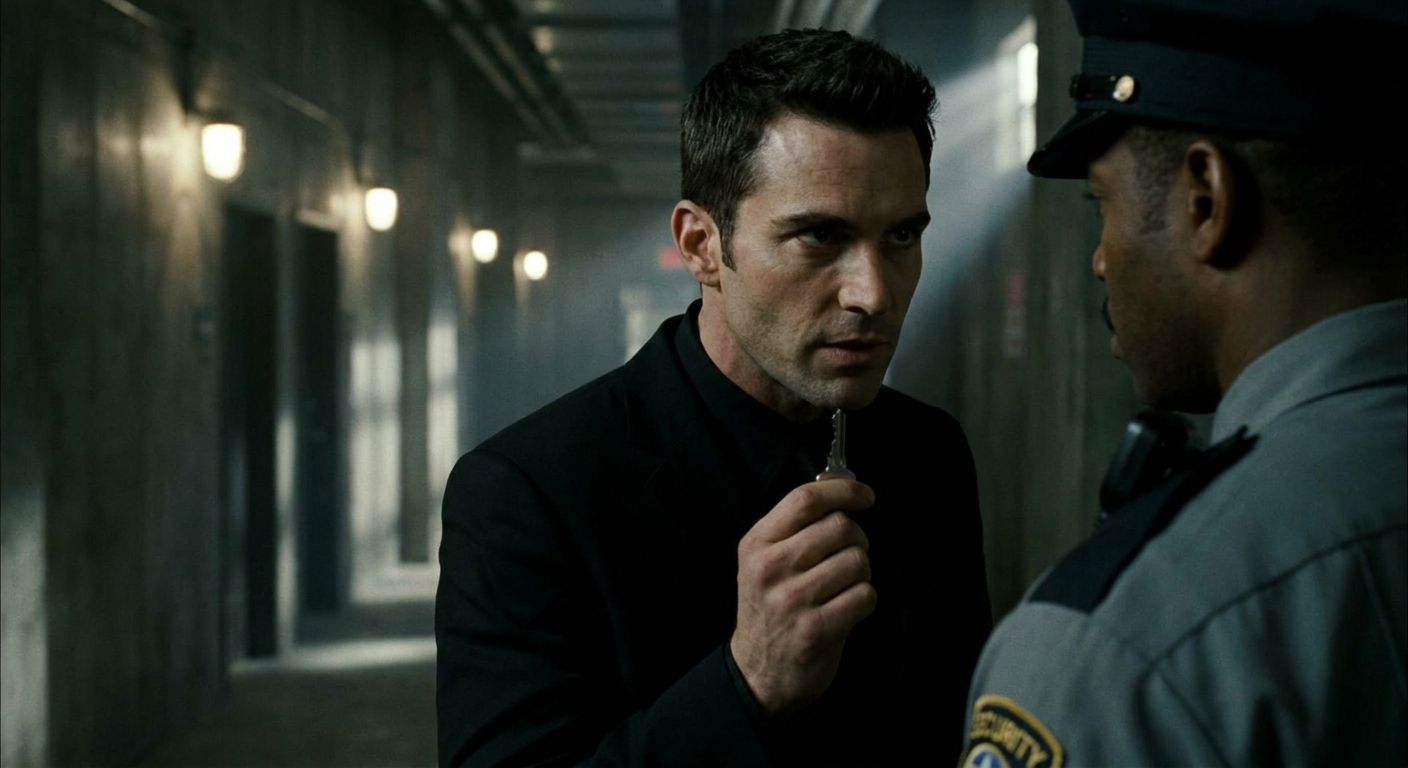
The intruder says nothing. Mike raises an old brass key.闯入者一言不发。麦克举起一把老旧的黄铜钥匙。闖入者一言不發。麥克舉起一把老舊的黃銅鑰匙。Kẻ đột nhập không nói gì. Mike giơ lên một chiếc chìa khóa đồng cũ kỹ.
侵入者は 何も 言わない。マイクは 古びた 真鍮の 鍵を 掲げる。
この 鍵が いるんです。
His hand goes to the radio. Low, and courteous, he asks for the files.他的手伸向无线电。声音压低,客客气气地,请对方送资料。他的手伸向無線電。聲音壓低,客客氣氣地,請對方送資料。Tay anh đưa lên máy bộ đàm. Giọng trầm xuống, thật lễ độ, anh xin tài liệu.
無線に 手をやり、低く 丁寧に、資料を 頼む。
資料を 送って いただけませんか。
Then the steel door slams. Locked in. Mike presses a hand to his earpiece.就在这时,铁门关上了。被困住了。麦克按住耳机。就在這時,鐵門關上了。被困住了。麥克按住耳機。Đúng lúc đó, cánh cửa sắt sập lại. Bị nhốt rồi. Mike ấn tay lên tai nghe.
その 時、鉄の 扉が 閉まる。閉じこめられた。マイクは イヤホンを 押さえる。
ここから どうやって 出たら いいですか。
Key Sentences
1. 〜んですか (asking the reason / situation)

どうして ここに いるんですか。
- Why are you here?
- 你为什么在这里? / 你為什麼在這裡?
- Tại sao anh ở đây?
2. 〜んです (explaining your situation)
この 鍵が いるんです。
- It’s that I need this key.
- 我需要这把钥匙。 / 我需要這把鑰匙。
- Là vì tôi cần chiếc chìa khóa này.
3. V-て いただけませんか (polite request)

資料を 送って いただけませんか。
- Could you send me the documents?
- 能请您把资料发给我吗? / 能請您把資料發給我嗎?
- Anh có thể gửi tài liệu cho tôi được không ạ?
4. どうやって 〜たら いいですか (asking how)

ここから どうやって 出たら いいですか。
- How should I get out of here?
- 我该怎么从这里出去呢? / 我該怎麼從這裡出去呢?
- Tôi nên ra khỏi đây bằng cách nào?
Practice out loud
Say the answer before you look. The same sentences you just read — now from your own mouth.
どうして ここに いるんですか。
この 鍵が いるんです。
財布を なくしたんですか。
はい、財布を なくしたんです。
今日は 休みなんですか。
いいえ、休みじゃないんです。仕事なんです。
資料を 送って いただけませんか。
はい、いいですよ。
ここから どうやって 出たら いいですか。
あの ドアから 出たら いいです。
どうして 日本語を 勉強して いるんですか。
your own answer
週末は 何を するんですか。
your own answer
Green — HQ asks you. Blue — Mike answers. Dashed — your turn.
Vocabulary
| 日本語 | English | 简体 | 繁體 | Tiếng Việt |
|---|---|---|---|---|
| どうして どうして ここに いるんですか。 | why Why are you here? | 为什么 你为什么在这里? | 為什麼 你為什麼在這裡? | tại sao Sao bạn lại ở đây? |
| どうやって ここから どうやって 出たら いいですか。 | how, by what means How do I get out of here? | 怎么 从这里怎么出去? | 怎麼 從這裡怎麼出去? | bằng cách nào Từ đây ra ngoài bằng cách nào? |
| いる(要る) この 鍵が いるんです。 | to need It's this key that I need. | 需要 我需要的是这把钥匙。 | 需要 我需要的是這把鑰匙。 | cần Cái tôi cần là chiếc chìa khóa này. |
| 鍵 鍵を なくしたんです。 | key The thing is, I lost my key. | 钥匙 其实我把钥匙弄丢了。 | 鑰匙 其實我把鑰匙弄丟了。 | chìa khóa Chuyện là tôi đã làm mất chìa khóa. |
| 資料 資料を 送って いただけませんか。 | documents, materials Could you send me the materials? | 资料 能把资料发给我吗? | 資料 能把資料寄給我嗎? | tài liệu Anh gửi tài liệu tham khảo cho tôi được không? |
| 送ります あとで 資料を 送ります。 | to send I'll send the materials later. | 发送 我稍后把资料发过去。 | 發送 我稍後把資料寄過去。 | gửi Lát nữa tôi sẽ gửi tài liệu. |
| 出ます あの ドアから 出たら いいです。 | to exit, go out You can go out through that door. | 出去 从那扇门出去就行。 | 出去 從那扇門出去就行。 | ra ngoài Bạn đi ra bằng cửa kia là được. |
| 〜んです 今日は 休みじゃないんです。仕事なんです。 | (explanatory) it's that ~ Actually, today isn't a day off. It's a workday. | (表示解释说明) 其实今天不是休息日,是工作日。 | (表示解釋說明) 其實今天不是休息日,是工作日。 | (diễn đạt lý do) Thật ra hôm nay không phải ngày nghỉ, là ngày làm việc. |
| 〜ていただけませんか 地図を 見せて いただけませんか。 | could you ~ (humble request) Could you show me the map? | 能请您~吗 能给我看一下地图吗? | 能請您~嗎 能給我看一下地圖嗎? | có thể ~ được không ạ (lịch sự) Anh cho tôi xem bản đồ được không? |
Grammar Patterns
focus on the explanatory 〜んです.
〜んです
Plain form + んです. Not a flat fact, but the mood of explaining or asking for a reason / situation. Nouns & な-adjectives take 「〜なんです」.
V-て + いただけませんか
Polite, humble request — softer than 「〜てください」. Take the て-form and add 「いただけませんか」.
〜たら いいですか
た-form + ら いいですか. Ask what one should do: 「どうやって / どこで / いつ 〜たらいいですか」.
Grammar Picture
- 目標文型this lesson’s pattern这一课的句型這一課的句型mẫu câu của bài này
- 名詞noun名词danh từ
- 述語sentence ending句尾句尾phần cuối câu
When to use 〜んです (and when not)
Use 〜んです to explain a reason or situation, or to ask for one — not for plain reporting.
- Asking: どうして おくれたんですか。(Why were you late? — I want the reason.)
- Explaining: バスが なかったんです。(It's that there was no bus.)
- Plain fact (no んです): わたしは がくせいです。(I am a student.)
The request ladder — 〜て → 〜てください → 〜ていただけませんか
- 〜て — casual, between friends.
- 〜てください — polite, neutral.
- 〜てくださいませんか / 〜ていただけませんか — most polite, humble. Use with superiors or strangers.
〜たらいいですか vs 〜ばいいですか
Both ask "what should I do?". 「〜たらいいですか」 is the most common and natural for N4. 「どうやって 出たらいいですか」 = How should I get out?
Roleplay Practice
the checkpoint scene, then swap roles.
Scene: A checkpoint. A guard stops Mike. Pair up — A = guard, B = Mike. Swap roles and try again.
A (警備員): どうして ここに いるんですか?
(Why are you here?)
B (マイク): この 鍵が いるんです。中を 調べたいんです。
(I need this key. I want to check inside.)
A: わかりました。でも、資料が 必要です。
(Understood. But the documents are required.)
B: 資料を 送って いただけませんか?
(Could you send the documents?)
A: あ、ドアが 閉まりました!
(Ah, the door has closed!)
B: えっ。ここから どうやって 出たら いいですか?
(What?! How should I get out of here?)
How do you say this in Japanese?
Q1. 「どうして おくれた___か。」 (asking the reason)
- A. んです
- B. です
- C. ます
Show answer
✓ A. んです — asking for a reason.
Q2. The most polite way to ask someone to send something:
- A. 送って
- B. 送ってください
- C. 送っていただけませんか
Show answer
✓ C. 送っていただけませんか
Q3. 「どう ___ いいですか。」 (How should I get out?)
- A. 出たら
- B. 出て
- C. 出る
Show answer
✓ A. 出たら — た-form + ら いいですか.
Q4. In the story, why does Mike say he needs the key?
- A. To reach the next door
- B. To start a car
- C. To open a safe
Show answer
✓ A. He needs it to move deeper into the facility.
Q5. Write: politely ask someone to help you (困った時).
Try 「〜んですが、〜ていただけませんか」.
Show answer
Sample: みちが わからないんですが、おしえて いただけませんか。 (I don't know the way — could you tell me?)
How to Use This Lesson
Read the sections in the order they appear. About 40 minutes.
Tomorrow, come back and say the Key Sentences again — that is where it sticks.
For Teachers
For Teachers (45-60 minutes in class)
- Warm-up (5 min): ask students "どうして 日本語を べんきょうして いるんですか?" — practice 〜んです answers.
- んです vs です (10 min): contrast plain facts with explanatory mood through situations.
- Request ladder (10 min): 〜て → 〜てください → 〜ていただけませんか, with politeness contexts.
- たらいいですか (10 min): students ask each other "how should I ~?" questions.
- Roleplay (15 min): the checkpoint scene; learners improvise the ending.
Note: Lesson 26 opens the N4 half of Midnight Encounter. 〜んです is easily confused with plain 〜です — anchor it in reason-seeking situations.
← Lesson 25 | Midnight Encounter | Lesson 27 →
“Minna no Nihongo” (みんなの日本語) is a textbook series by 3A Corporation. Cinema にほんご is an independent site, not affiliated with or endorsed by 3A Corporation — lesson numbers indicate correspondence only, and no textbook text is reproduced here.