Lesson 18 of 50 · 〜ことができます・趣味 · みんなの日本語 第18課 · N5
Story voice: 〜 N3–N2 Japanese — above this lesson’s level, on purpose. Your target is the Key Sentences.
Episode 18: What Mike Can Do
Mini Story
A spy carries a list of abilities. Some learned. Some inherited. Some pretended. Mike has all three.间谍都有一张能力的清单。有的是学来的。有的是继承的。有的是装出来的。麦克,三种都有。間諜都有一張能力的清單。有的是學來的。有的是繼承的。有的是裝出來的。麥克,三種都有。Điệp viên mang theo một danh sách năng lực. Có cái học được. Có cái thừa hưởng. Có cái giả vờ. Mike có cả ba.
スパイ は能力の リスト を持つ。 学んだもの。 受け継いだもの。 装ったもの。 マイクには、 三つともある。
The first ability is the most useful — and the most dangerous.第一项能力最有用——也最危险。第一項能力最有用——也最危險。Năng lực thứ nhất hữu ích nhất — và cũng nguy hiểm nhất.
最初の能力は、 最も役立つ ── そして最も危険。
マイクは 日本語が できます。
The second is unexpected. The first time he shows it, everyone is surprised. A spy who plays Chopin is hard to recognize as a spy.第二项,出人意料。第一次展示时,谁都会吃惊。会弹肖邦的间谍,不容易被认出是间谍。第二項,出人意料。第一次展示時,誰都會吃驚。會彈蕭邦的間諜,不容易被認出是間諜。Năng lực thứ hai thì bất ngờ. Lần đầu anh trổ ra, ai cũng ngạc nhiên. Một điệp viên chơi Chopin thì khó bị nhận ra là điệp viên.
二つ目は、 意外。 初めて披露するとき、 誰もが驚く。 ショパン を弾く スパイ は、 スパイ と気づかれにくい。
マイクは ピアノを 弾く ことが できます。
The third is his cover — and his quiet truth. He truly loves it.第三项是伪装——也是安静的真话。他是真的,爱着它。第三項是偽裝——也是安靜的真話。他是真的,愛著它。Cái thứ ba là vỏ bọc — và cũng là sự thật lặng lẽ. Anh yêu nó, thật lòng.
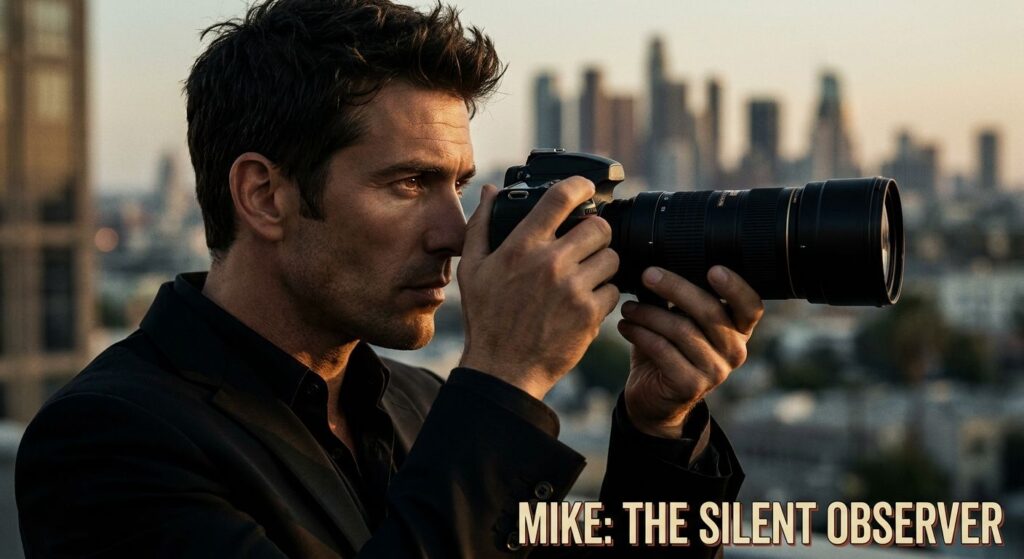
三つ目は カバー ── そして静かな真実。 本当に、 愛している。
マイクの 趣味は 写真を 撮る ことです。
And one thing he cannot do — even if he tried. Just one.而有一件事,就算想做,也做不到——只有一件。而有一件事,就算想做,也做不到——只有一件。Và có một điều anh không thể làm — dù có muốn. Chỉ một điều.
やろうとしても、 できないこと ── ひとつ、 ある。
でも、 仕事を やめる ことは できません。
Key Sentences
substitute different abilities.
1. N1 は N2 が できます (can do a noun)
マイクは 日本語が できます。
- Mike can speak Japanese.
- 麦克会日语。 / 麥克會日語。
- Mike biết tiếng Nhật.
2. V-る ことが できます (can do an action)
マイクは ピアノを 弾く ことが できます。
- Mike can play the piano.
- 麦克会弹钢琴。 / 麥克會彈鋼琴。
- Mike biết chơi piano.
3. 趣味は V-る こと です (hobby is V-ing)
マイクの 趣味は 写真を 撮る ことです。
- Mike\’s hobby is taking photos.
- 麦克的爱好是拍照。 / 麥克的愛好是拍照。
- Sở thích của Mike là chụp ảnh.
4. V-る ことは できません (cannot do)
でも、 仕事を やめる ことは できません。
- But he cannot quit work.
- 但是他不能辞职。 / 但是他不能辭職。
- Nhưng anh ấy không thể nghỉ việc.
Practice out loud
Say the answer before you look. The same sentences you just read — now from your own mouth.
マイクは 日本語が できますか。
はい、日本語が できます。
マイクは ピアノを 弾く ことが できますか。
はい、ピアノを 弾く ことが できます。
マイクの 趣味は 何ですか。
マイクの 趣味は 写真を 撮る ことです。
マイクは 仕事を やめる ことが できますか。
いいえ、仕事を やめる ことは できません。
あなたの 趣味は 何ですか。
your own answer
あなたは 何を する ことが できますか。
your own answer
Green — HQ asks you. Blue — Mike answers. Dashed — your turn.
Vocabulary
| 日本語 | English | 简体 | 繁體 | Tiếng Việt |
|---|---|---|---|---|
| できます マイクは 日本語が できます。 | can do Mike can speak Japanese. | 会 / 能 麦克会日语。 | 會 / 能 麥克會日語。 | có thể Mike biết tiếng Nhật. |
| 趣味 マイクの 趣味は 写真を 撮る ことです。 | hobby Mike's hobby is taking photos. | 爱好 麦克的爱好是拍照。 | 愛好 麥克的興趣是拍照。 | sở thích Sở thích của Mike là chụp ảnh. |
| こと ピアノを 弾く ことが できます。 | thing (abstract / nominalizer) I can play the piano. | 事 我会弹钢琴。 | 事 我會彈鋼琴。 | việc Tôi biết chơi đàn piano. |
| 弾きます 弟は ピアノを 弾きます。 | play (string instrument) My younger brother plays the piano. | 弹 我弟弟弹钢琴。 | 彈 我弟弟彈鋼琴。 | chơi (đàn) Em trai tôi chơi đàn piano. |
| 歌います カラオケで 歌います。 | sing I sing at karaoke. | 唱 我在卡拉OK唱歌。 | 唱 我在卡拉OK唱歌。 | hát Tôi hát ở quán karaoke. |
| 描きます 絵を 描く ことが できます。 | draw I can draw pictures. | 画 我会画画。 | 畫 我會畫畫。 | vẽ Tôi biết vẽ tranh. |
| 運転します わたしは 運転が できません。 | drive I can't drive. | 开车 我不会开车。 | 開車 我不會開車。 | lái xe Tôi không biết lái xe. |
| 泳ぎます 海で 泳ぐ ことが できます。 | swim I can swim in the sea. | 游泳 我会在海里游泳。 | 游泳 我會在海裡游泳。 | bơi Tôi biết bơi ở biển. |
| 料理 日本の 料理が 好きです。 | cooking, cuisine I like Japanese food. | 烹饪 我喜欢日本菜。 | 烹飪 我喜歡日本菜。 | nấu ăn Tôi thích món ăn Nhật. |
| 読書 趣味は 読書です。 | reading (books) My hobby is reading. | 读书 我的爱好是读书。 | 讀書 我的興趣是閱讀。 | đọc sách Sở thích của tôi là đọc sách. |
| ピアノ ピアノが 弾けますか。 | piano Can you play the piano? | 钢琴 你会弹钢琴吗? | 鋼琴 你會彈鋼琴嗎? | piano Bạn biết chơi đàn piano không? |
| 英語 英語が できますか。 | English Can you speak English? | 英语 你会英语吗? | 英語 你會英語嗎? | tiếng Anh Bạn biết tiếng Anh không? |
Grammar Patterns
N1 は N2 が できます
Express ability with a noun. 'N1 can do N2.'
V-る + ことが できます
Express ability with a verb. Nominalize verb with 「こと」.
趣味は V-る ことです
Hobby = nominalized verb. 「写真を 撮る こと」 = the thing of taking photos.
V-る + ことは できません
Cannot do. The contrast version with は.
Grammar Picture
- 名詞noun名词danh từ
- 助詞particle助词trợ từ
- 述語sentence ending句尾句尾phần cuối câu
「こと」 — the nominalizer
「こと」 turns a verb into a noun. The result behaves grammatically as a noun.
- 泳ぐ (verb) → 泳ぐ こと (noun = the act of swimming)
- 食べる (verb) → 食べる こと (noun = eating)
The noun can then take particles: 「泳ぐ ことが 好きです」 = (I) like swimming. 「読書する ことは 楽しいです」 = reading is fun.
「できる」 vs the potential form (Lesson 27)
Two ways to say 'can':
- V-る ことが できる: longer, more formal — works for any verb
- Potential form (Lesson 27): shorter — 飲める, 食べられる, 行ける
Both are correct. Native speakers often prefer the potential form in speech. For N5, 「ことが できる」 is the first form to master.
ピアノを 弾く — the right verb for each instrument
Japanese uses different verbs for different instruments:
- ピアノを 弾く (ひく) — play piano (also strings)
- ギターを 弾く — play guitar
- 太鼓 (たいこ) を 叩く (たたく) — play drums
- 歌を 歌う (うたう) — sing a song
For most modern non-Japanese instruments: 「(instrument) を 弾く」 works.
Roleplay Practice
list 3 things you can do, 1 thing you cannot.
Scene: A new colleague asks Mike about his abilities and hobbies.
Colleague: マイクさんは 日本語が できますか?
(Can you speak Japanese?)
Mike: はい、 少し できます。
(Yes, a little.)
Colleague: 趣味は 何ですか?
(What is your hobby?)
Mike: 写真を 撮る ことです。
(Taking photos.)
Colleague: ピアノは できますか?
(Can you play the piano?)
Mike: はい、 弾く ことが できます。
(Yes, I can play.)
How do you say this in Japanese?
Q1. Which is correct: 'I can drive a car'?
- A. 車を 運転する できます。
- B. 車を 運転する ことが できます。
- C. 車を 運転します ことが できます。
Show answer
✓ B. Use plain form V-る + ことが できます.
Q2. 「趣味は 何ですか?」 means:
- A. What is your job?
- B. What is your hobby?
- C. What is your favorite food?
Show answer
✓ B. What is your hobby?
Q3. Which means 'My hobby is taking photos'?
- A. 趣味は 写真を 撮る ことです。
- B. 趣味は 写真を 撮ります。
- C. 趣味を 写真を 撮る ことです。
Show answer
✓ A. Nominalize the verb with 「こと」.
Q4. What is one thing Mike CAN do in the story?
- A. Quit his job
- B. Play the piano
- C. Speak Korean
Show answer
✓ B. Play the piano
Q5. Write: One ability you have, using V-る ことが できます.
Try the pattern.
Show answer
Sample: わたしは 料理を 作る ことが できます。 (I can cook.)
How to Use This Lesson
Read the sections in the order they appear. About 40 minutes.
Tomorrow, come back and say the Key Sentences again — that is where it sticks.
For Teachers
For Teachers (45-60 minutes in class)
- Warm-up (5 min): Each student names one ability + one inability.
- Verb-to-noun drill (10 min): 10 verbs → V-る + こと.
- Ability interview (10 min): Pairs ask about hobbies and abilities.
- Class survey (10 min): 「クラスで 誰が 一番 ___ ことが できますか?」
- Roleplay (15 min): Job interview. Ask about abilities and hobbies.
- Check Yourself (5-10 min).
← Lesson 17 | Midnight Encounter | Lesson 19 →
“Minna no Nihongo” (みんなの日本語) is a textbook series by 3A Corporation. Cinema にほんご is an independent site, not affiliated with or endorsed by 3A Corporation — lesson numbers indicate correspondence only, and no textbook text is reproduced here.