Lesson 09 of 50 · 〜が好き・〜が分かります・だから · みんなの日本語 第9課 · N5
Story voice: 〜 N3–N2 Japanese — above this lesson’s level, on purpose. Your target is the Key Sentences.
Episode 09: Quiet Preferences
Mini Story
notice how Mike’s preferences double as cover.
Every spy has a cover. Mike’s is knitted out of preferences — small, harmless ones, the kind anyone might have. But each is a careful choice. Each hides something.每个间谍都有伪装。麦克的伪装,是用喜好编织起来的——小小的、无害的、谁都会有的那种喜好。但每一个都是仔细挑过的。每一个,都藏着什么。每個間諜都有偽裝。麥克的偽裝,是用喜好編織起來的——小小的、無害的、誰都會有的那種喜好。但每一個都是仔細挑過的。每一個,都藏著什麼。Điệp viên nào cũng có vỏ bọc. Vỏ bọc của Mike được đan từ những sở thích — nhỏ, vô hại, loại ai cũng có. Nhưng mỗi cái đều là một lựa chọn kỹ càng. Mỗi cái, đều che giấu một điều gì.
どの スパイ にも カバー がある。 マイクの カバー は 好み で編まれる ── 小さく、 無害な、 誰もが持つような好み。 だが、 どれも慎重な選択。 どれも、 何かを隠している。
At the IMC office, Mike is the man who drinks coffee. Black, no sugar. Every morning, the same seat, the same cup.在 IMC 办公室,麦克是那个喝咖啡的男人。黑咖啡,不加糖。每天早晨,同一个位子,同一个杯子。在 IMC 辦公室,麥克是那個喝咖啡的男人。黑咖啡,不加糖。每天早晨,同一個位子,同一個杯子。Ở văn phòng IMC, Mike là người đàn ông uống cà phê. Đen, không đường. Mỗi sáng, vẫn chỗ ngồi ấy, vẫn chiếc tách ấy.
IMC オフィス では、 マイクは コーヒー を飲む男。 black、 砂糖なし。 毎朝、 同じ席、 同じ カップ。
マイクは コーヒーが 好きです。
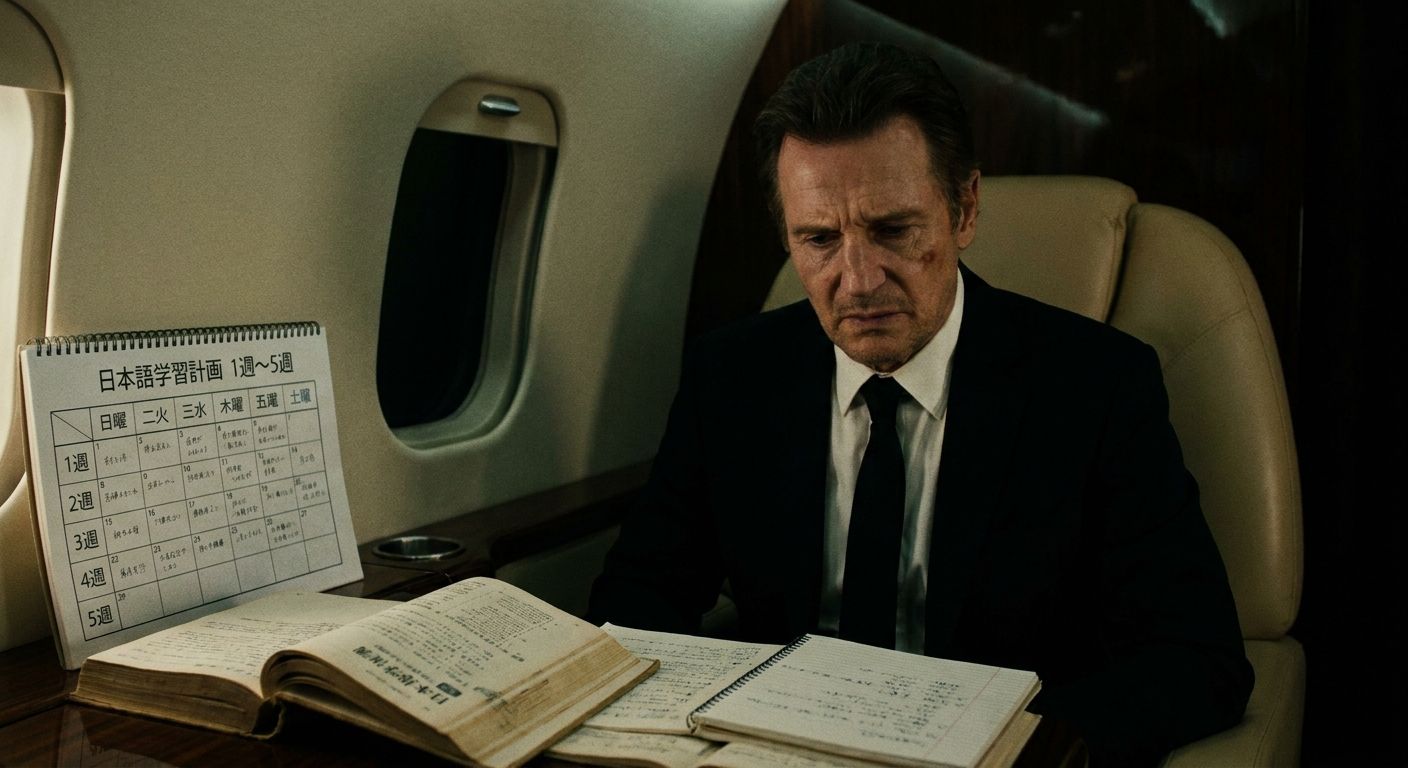
To his colleagues, Mike is the man who studies languages. “Japanese, in my spare time,” he says. He answers in fluent Japanese, quietly.在同事眼里,麦克是那个学语言的男人。「有空就学学日语」,他这么说。然后用流利的日语,安安静静地回答。在同事眼裡,麥克是那個學語言的男人。「有空就學學日語」,他這麼說。然後用流利的日語,安安靜靜地回答。Trong mắt đồng nghiệp, Mike là người đàn ông học ngoại ngữ. “Lúc rảnh thì học chút tiếng Nhật,” anh nói vậy. Rồi lặng lẽ trả lời bằng thứ tiếng Nhật trôi chảy.
同僚は、 言語を学ぶ男としてマイクを知る。「暇に日本語を」 と言う。 流暢な日本語で、 静かに答える。
マイクは 日本語が 分かります。
On weekends, he photographs the city. Streets, alleys, buildings, faces. “A hobby,” he says. “An amateur,” he says.周末,他拍这座城市。街道、小巷、楼房、脸。「是兴趣」,他说。「我是业余的」,他说。週末,他拍這座城市。街道、小巷、樓房、臉。「是興趣」,他說。「我是業餘的」,他說。Cuối tuần, anh chụp thành phố. Đường phố, ngõ hẻm, những toà nhà, những gương mặt. “Sở thích thôi,” anh nói. “Dân nghiệp dư thôi,” anh nói.
週末、 街を撮る。 通り、 路地、 建物、 顔。「趣味」 だと言う。「アマチュア」 だと言う。
マイクは 写真が 上手です。
But under the coffee, under the language, under the photographs — Mike’s real work is something else. And in every preference, every skill, every single frame, a quiet weight lives.但在咖啡之下、语言之下、照片之下——麦克真正的工作,是另一件事。而每一个喜好、每一项本领、每一张照片里,都住着一份安静的重量。但在咖啡之下、語言之下、照片之下——麥克真正的工作,是另一件事。而每一個喜好、每一項本領、每一張照片裡,都住著一份安靜的重量。Nhưng bên dưới cà phê, bên dưới ngoại ngữ, bên dưới những bức ảnh — công việc thật của Mike là một chuyện khác. Và trong mỗi sở thích, mỗi kỹ năng, mỗi khung hình, đều trú ngụ một sức nặng lặng lẽ.
だが コーヒー の下、 言語の下、 写真の下 ── マイクの本当の仕事は別にある。 そして、 どの 好み、 どの技能、 どの一枚にも、 静かな重みが宿る。
マイクは スパイです。 だから、 ひみつが あります。
Key Sentences
substitute the noun: コーヒー → tea, music, films…
1. N1 は N2 が 好きです (Mike likes coffee)
マイクは コーヒーが 好きです。
- Mike likes coffee.
- 麦克喜欢咖啡。 / 麥克喜歡咖啡。
- Mike thích cà phê.
2. N1 は N2 が 分かります (Mike understands Japanese)
マイクは 日本語が 分かります。
- Mike understands Japanese.
- 麦克懂日语。 / 麥克懂日語。
- Mike hiểu tiếng Nhật.
3. N1 は N2 が 上手です (Mike is good at photography)
マイクは 写真が 上手です。
- Mike is good at photography.
- 麦克擅长摄影。 / 麥克擅長攝影。
- Mike giỏi chụp ảnh.
4. ですから / だから — so, therefore
マイクは スパイです。 だから、 ひみつが あります。
- Mike is a spy. So, he has a secret.
- 麦克是间谍。所以,他有秘密。 / 麥克是間諜。所以,他有祕密。
- Mike là điệp viên. Vì vậy, anh ấy có bí mật.
Practice out loud
Say the answer before you look. The same sentences you just read — now from your own mouth.
マイクは コーヒーが 好きですか。
はい、コーヒーが 好きです。
マイクは 歌が 上手ですか。
いいえ、歌は 上手じゃありません。写真が 上手です。
マイクは 日本語が わかりますか。
はい、少し わかります。
どうして ひみつが ありますか。
マイクは スパイです。だから、ひみつが あります。
あなたは どんな 音楽が 好きですか。
your own answer
あなたは 何が 上手ですか。
your own answer
Green — HQ asks you. Blue — Mike answers. Dashed — your turn.
Vocabulary
pair 好き/嫌い, 上手/下手 as opposites.
| 日本語 | English | 简体 | 繁體 | Tiếng Việt |
|---|---|---|---|---|
| 好き マイクは コーヒーが 好きです。 | like (な-adj) Mike likes coffee. | 喜欢 麦克喜欢咖啡。 | 喜歡 麥克喜歡咖啡。 | thích Mike thích cà phê. |
| 嫌い わたしは たばこが 嫌いです。 | dislike (な-adj) I dislike cigarettes. | 讨厌 我讨厌香烟。 | 討厭 我討厭香菸。 | ghét Tôi ghét thuốc lá. |
| 上手 マイクは 写真が 上手です。 | good at (な-adj) Mike is good at photography. | 擅长 麦克很会拍照。 | 擅長 麥克很會拍照。 | giỏi Mike chụp ảnh giỏi. |
| 下手 わたしは 歌が 下手です。 | bad at (な-adj) I am bad at singing. | 不擅长 我唱歌唱得不好。 | 不擅長 我唱歌唱得不好。 | kém Tôi hát dở. |
| 分かります マイクは 日本語が 分かります。 | understand Mike understands Japanese. | 懂 麦克懂日语。 | 懂 麥克懂日語。 | hiểu Mike hiểu tiếng Nhật. |
| 友達 友達と カフェへ 行きます。 | friend I go to the cafe with my friend. | 朋友 我和朋友去咖啡店。 | 朋友 我和朋友去咖啡店。 | bạn Tôi đi quán cà phê với bạn. |
| 時間 時間が ありません。 | time I have no time. | 时间 我没有时间。 | 時間 我沒有時間。 | thời gian Tôi không có thời gian. |
| お金 お金が あります。 | money I have money. | 钱 我有钱。 | 錢 我有錢。 | tiền Tôi có tiền. |
| ひみつ マイクは スパイです。だから、ひみつが あります。 | secret Mike is a spy. That is why he has things he cannot tell. | 秘密 麦克是间谍,所以他有不能说的事。 | 祕密 麥克是間諜,所以他有不能說的事。 | bí mật Mike là điệp viên. Vì vậy anh ấy có điều không thể nói. |
| どんな どんな 音楽が 好きですか。 | what kind of What kind of music do you like? | 什么样的 你喜欢什么样的音乐? | 什麼樣的 你喜歡什麼樣的音樂? | loại nào Bạn thích loại nhạc nào? |
| よく よく カフェへ 行きます。 | often, well I often go to the cafe. | 经常 我经常去咖啡店。 | 經常 我經常去咖啡店。 | thường Tôi thường đi quán cà phê. |
| たくさん 写真が たくさん あります。 | a lot, many There are many photos. | 很多 有很多照片。 | 很多 有很多照片。 | nhiều Có rất nhiều ảnh. |
| 少し 日本語が 少し 分かります。 | a little I understand a little Japanese. | 一点 我懂一点日语。 | 一點 我懂一點日語。 | một chút Tôi hiểu tiếng Nhật một chút. |
| ぜんぜん 漢字は ぜんぜん 分かりません。 | not at all (with neg.) I don't understand kanji at all. | 完全不 汉字我完全不懂。 | 完全不 漢字我完全不懂。 | hoàn toàn không Tôi hoàn toàn không hiểu chữ Hán. |
| だから / ですから 時間が ありません。だから、カフェへ 行きません。 | so, therefore I have no time. So I won't go. | 所以 我没有时间,所以不去。 | 所以 我沒有時間,所以不去。 | vì vậy Tôi không có thời gian. Vì vậy tôi không đi. |
Grammar Patterns
focus on why 「が」 not 「を」.
N1 は N2 が 好きです / 嫌いです
Express like / dislike. N2 (what you like) takes 「が」, not 「を」.
N1 は N2 が 上手です / 下手です
Express skill level. 「上手」 = skilled, 「下手」 = not skilled.
N1 は N2 が 分かります
Express understanding. 「分かります」 also uses 「が」 for what is understood.
…。 だから/ですから、 …。
Connect two sentences: first the reason, then the result. 「ですから」 is the polite form, 「だから」 the casual form.
Grammar Picture
- 目標文型this lesson’s pattern这一课的句型這一課的句型mẫu câu của bài này
- 名詞noun名词danh từ
- 助詞particle助词trợ từ
- 述語sentence ending句尾句尾phần cuối câu
Need more detail? Open the sections below.
Why does 好き use が, not を?
This trips up most beginners. The reason:
「好き」 is technically a な-adjective, not a verb. So there's no "action" being done — it's a state of liking.
- Action verb (uses を): コーヒーを 飲みます。 = I drink coffee.
- State (uses が): コーヒーが 好きです。 = (As for me,) coffee is liked.
Same pattern for 嫌い (dislike), 上手 (good at), 下手 (bad at), 分かります (understand). All describe a state, so the thing involved takes 「が」.
Frequency adverbs — how often / how much
L9 introduces a spectrum of frequency / quantity adverbs:
| Adverb | Meaning | Used with |
|---|---|---|
| とても | very | positive |
| よく | often, well | positive |
| たくさん | a lot | positive |
| 少し | a little | positive |
| あまり | not very | negative |
| ぜんぜん | not at all | negative |
「あまり」 and 「ぜんぜん」 only work with negative endings: 「あまり 好きじゃありません」 = not very fond of.
だから vs から — both mean 'because/so'
Two similar conjunctions, used differently:
- だから / ですから: starts a new sentence. 「マイクは スパイです。 だから、 ひみつが あります。」
- 〜から: attaches to the reason clause within one sentence. 「マイクは スパイですから、 ひみつが あります。」 (this lesson)
「だから」 is more casual, 「ですから」 is more formal.
「上手」 vs 「得意」 — both mean 'good at'
Two ways to say someone is good at something:
- 上手 (じょうず): praising others ("You're skilled."). Avoid using about yourself — sounds boastful.
- 得意 (とくい): stating a personal strength. OK to use about yourself.
For modesty: 「日本語が 少し 分かります。」 (I understand a little Japanese.) — preferred over 「日本語が 上手です」 when speaking of yourself.
得意: your strength — the one word you can use about yourself. 上手です sounds boastful; 得意です does not.
Roleplay Practice
answer compliments modestly.
Try this dialog with a partner (or aloud, switching roles).
Scene: A colleague at IMC tries to befriend Mike. Mike answers carefully, hiding nothing — and everything.
Colleague: マイクさん、 どんな ものが 好きですか?
(Mike, what kind of things do you like?)
Mike: コーヒーが 好きです。 そして、 写真が 好きです。
(I like coffee. And I like photography.)
Colleague: 日本語は 上手ですね。
(Your Japanese is skilled, isn't it.)
Mike: いいえ、 少しだけ 分かります。
(No, I only understand a little.)
Colleague: 友達は たくさん いますか?
(Do you have many friends?)
Mike: ……あまり、 いません。 仕事が いそがしいですから。
(…Not very many. Because work is busy.)
Notice Mike's modesty. 「少しだけ 分かります」 sounds humble; 「上手です」 about oneself sounds boastful. Practice answering compliments with modesty.
How do you say this in Japanese?
Q1. Which is correct: 'I like coffee'?
- A. わたしは コーヒーを 好きです。
- B. わたしは コーヒーが 好きです。
- C. わたしは コーヒーに 好きです。
Show answer
✓ B. わたしは コーヒーが 好きです。
「好き」 takes 「が」 because it is a state, not an action.
Q2. Which is correct: 'I understand Japanese a little'?
- A. 日本語が 少し 分かります。
- B. 日本語を 少し 分かります。
- C. 日本語は 少し 分かります。
Show answer
✓ A. 日本語が 少し 分かります。
「分かります」 takes 「が」.
Q3. Which is correct: 'Mike is a spy. So, he has a secret.'?
- A. マイクは スパイです。 だから、 ひみつが あります。
- B. マイクは スパイです。 でも、 ひみつが あります。
- C. マイクは スパイです。 そして、 ひみつが あります。
Show answer
✓ A.
「だから」 = so, therefore (cause → result). 「でも」 = but. 「そして」 = and (listing).
Q4. 「ぜんぜん」 is used with:
- A. positive sentences (I really like it)
- B. negative sentences (I don't like it at all)
- C. both positive and negative
Show answer
✓ B. negative sentences
「ぜんぜん 好きじゃ ありません」 = I don't like it at all. Cannot use with positive endings.
Q5. Write: What do YOU like, understand, or are good at? Try 「___が ___です」.
No right answer.
Show answer
Samples:
- わたしは おんがくが 好きです。 (I like music.)
- わたしは 英語が 少し 分かります。 (I understand a little English.)
- わたしは 料理が 上手です。 (I am good at cooking.)
How to Use This Lesson
Read the sections in the order they appear. About 40 minutes.
Tomorrow, come back — list three things you like, three things you understand, three things you're good at.
For Teachers
For Teachers (45-60 minutes in class)
- Warm-up (5 min): Show pictures of food, music, sports. 「___が 好きですか?」 Yes / no responses.
- Preference circle (10 min): Each student says one thing they like / dislike. The next student repeats and adds.
- Skill drill (10 min): Pictures of activities (cooking, drawing, singing). Students rate themselves 上手 / 下手 / 少し.
- Comprehension drill (10 min): 「日本語が 分かりますか?」 「英語が 分かりますか?」 Pairs interview each other.
- Roleplay (15 min): Job interview / first meeting. Practice modest answers to compliments.
- Check Yourself (5-10 min): Individual quiz, group review.
Cultural note: Modesty matters. Reframe 「上手です」 about oneself to 「少し 分かります / 少しだけ できます」. This is a critical conversational skill in Japanese.
Common pitfall: Students use 「を」 with 好き / 上手 / 分かります by analogy with English transitive verbs. Drill 「が」 explicitly.
← Lesson 08 | Midnight Encounter | Lesson 10 →
“Minna no Nihongo” (みんなの日本語) is a textbook series by 3A Corporation. Cinema にほんご is an independent site, not affiliated with or endorsed by 3A Corporation — lesson numbers indicate correspondence only, and no textbook text is reproduced here.