Lesson 16 of 50 · V-て sequence・〜てから・Nは〜が〜です・V-方 · みんなの日本語 第16課 · N5
Story voice: 〜 N3–N2 Japanese — above this lesson’s level, on purpose. Your target is the Key Sentences.
Episode 16: Routine Is Camouflage
Mini Story
Routine Is Camouflage.
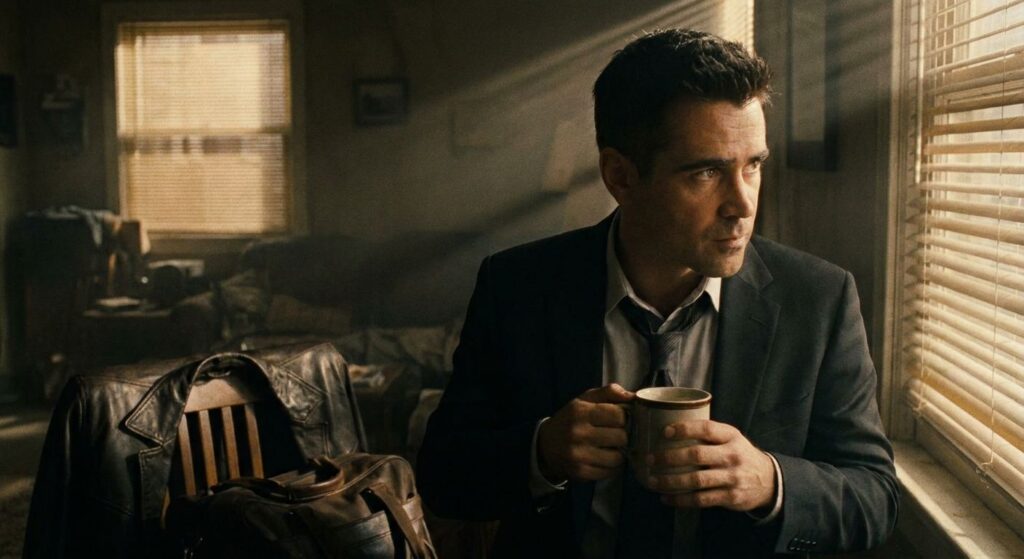
Morning, Tokyo. To every eye, Mike is just an office worker. Routine is camouflage — and it is made of small motions, in exact sequence.东京的早晨。在谁的眼里,麦克都只是个上班族。名为日常的迷彩——它由一连串精确的小动作组成。東京的早晨。在誰的眼裡,麥克都只是個上班族。名為日常的迷彩——它由一連串精確的小動作組成。Buổi sáng Tokyo. Trong mắt bất kỳ ai, Mike chỉ là một nhân viên văn phòng. Lớp nguỵ trang mang tên đời thường — nó được làm từ một chuỗi động tác nhỏ, chính xác từng bước.
朝の東京。誰の目にも、マイクはただの会社員。日常という迷彩 ── それは、小さな動作の正確な連続でできている。
金庫を 開けて、書類を 取って、すぐ 閉めます。
Headquarters has one iron rule. Order is everything — first confirm, then report.总部有一条铁的规则。顺序就是一切——先确认,再报告。總部有一條鐵的規則。順序就是一切——先確認,再報告。Tổng bộ có một luật sắt. Thứ tự là tất cả — xác nhận trước, báo cáo sau.
本部の鉄の規則。順番がすべて ── まず確かめる、それから伝える。
暗号を 確認してから、報告します。
In Mike’s notebook, records of observation. A small detail tells the whole of a person.麦克的手帐里,是观察的记录。一个小小的局部,讲出一个人的全部。麥克的手帳裡,是觀察的記錄。一個小小的局部,講出一個人的全部。Trong sổ tay của Mike, những ghi chép quan sát. Một chi tiết nhỏ kể ra toàn bộ một con người.
マイクの手帳には、観察の記録。小さな部分が、人の全体を語る。
あの 男は 背が 高いです。
On the café TV, a name he knows — IMC. His coffee goes on cooling.咖啡馆的电视上,一个他认识的名字——IMC。咖啡渐渐凉了。咖啡館的電視上,一個他認識的名字——IMC。咖啡漸漸涼了。Trên màn hình TV của quán cà phê, một cái tên anh biết — IMC. Tách cà phê cứ thế nguội dần.
カフェのテレビに、知っている名前 ── IMC。コーヒーが冷めていく。
ニュースを 見て、驚きました。
Inside the news, a hidden code. There is only one person he can ask.新闻里,藏着暗号。能问的人,只有一个。新聞裡,藏著暗號。能問的人,只有一個。Trong bản tin, một mật mã được giấu kín. Người có thể hỏi, chỉ có một.
ニュースの中に、隠された暗号。聞ける相手は、一人だけ。
この 暗号の 読み方を 教えてください。
Chapter 2: Schedules and Hidden Truths →
Key Sentences
say the sequence out loud, in order.
1. V-て、V-て、V-ます (sequence of actions)
金庫を 開けて、書類を 取って、すぐ 閉めます。
- I open the safe, take the documents, and close it immediately.
- 我打开保险箱,拿出文件,立刻关上。 / 我打開保險箱,拿出文件,立刻關上。
- Tôi mở két sắt, lấy tài liệu, rồi đóng lại ngay.
2. V-てから、〜 (after doing A, then B)
暗号を 確認してから、報告します。
- After confirming the code, I will report.
- 确认密码后再汇报。 / 確認密碼後再回報。
- Sau khi xác nhận mật mã, tôi sẽ báo cáo.
3. N は 〜が 〜です (describing a part)
あの 男は 背が 高いです。
- That man is tall.
- 那个男人个子很高。 / 那個男人個子很高。
- Người đàn ông đó dáng người cao.
4. V-て、〜 (reason for a reaction)
ニュースを 見て、驚きました。
- I was surprised to see the news.
- 看到新闻,我吃了一惊。 / 看到新聞,我嚇了一跳。
- Xem tin tức, tôi đã giật mình.
5. N の V-方 (how to ~)
この 暗号の 読み方を 教えてください。
- Please teach me how to read this code.
- 请教我这个密码的读法。 / 請教我這個密碼的讀法。
- Hãy chỉ tôi cách đọc mật mã này.
Practice out loud
Say the answer before you look. The same sentences you just read — now from your own mouth.
金庫を 開けて、何を 取りますか。
書類を 取って、すぐ 閉めます。
何を 確認してから 報告しますか。
暗号を 確認してから、報告します。
あの 男の人は 背が 低いですか。
いいえ、背は 低くないです。背が 高いです。
ニュースを 見て、どう しましたか。
ニュースを 見て、驚きました。
どうやって 会社へ 行きますか。
駅で 電車に 乗って、東京で 乗り換えます。
朝 起きて、まず 何を しますか。
your own answer
あなたの 名前の 書き方を 教えてください。
your own answer
Green — HQ asks you. Blue — Mike answers. Dashed — your turn.
Vocabulary
| 日本語 | English | 简体 | 繁體 | Tiếng Việt |
|---|---|---|---|---|
| 金庫 金庫を 開けて、書類を 取ります。 | safe (strongbox) I open the safe and take the documents. | 保险箱 我打开保险柜,拿出文件。 | 保險箱 我打開保險箱,拿出文件。 | két sắt Tôi mở két sắt và lấy tài liệu ra. |
| 書類 書類を 取って、すぐ 閉めます。 | documents I take the documents and close it right away. | 文件 我拿出文件,马上关上。 | 文件 我拿出文件,馬上關上。 | tài liệu Tôi lấy tài liệu ra rồi đóng lại ngay. |
| 開けます 窓を 開けても いいですか。 | to open May I open the window? | 打开 我可以开窗吗? | 打開 我可以開窗嗎? | mở Tôi mở cửa sổ được không? |
| 閉めます ドアを 閉めてください。 | to close Please close the door. | 关上 请关门。 | 關上 請關門。 | đóng Xin đóng cửa. |
| 確認します 暗号を 確認してから、報告します。 | to confirm I check the code, then report. | 确认 我核对密码后再报告。 | 確認 我核對密碼後再報告。 | xác nhận Tôi kiểm tra mã rồi báo cáo. |
| 報告します 確認してから 報告します。 | to report I report after checking. | 汇报 确认之后报告。 | 回報 確認之後報告。 | báo cáo Sau khi xác nhận thì báo cáo. |
| 暗号 暗号の 読み方を 教えてください。 | code, cipher Please tell me how to read this code. | 密码 请告诉我这个暗号怎么读。 | 密碼 請告訴我這個暗號怎麼讀。 | mật mã Xin cho tôi biết mã này đọc thế nào. |
| 背が高い あの 男の人は 背が 高いです。 | tall (of a person) That man is tall. | 个子高 那个男人个子很高。 | 個子高 那個男人個子很高。 | dáng người cao Người đàn ông kia cao. |
| 驚きます ニュースを 見て、驚きました。 | to be surprised I watched the news and was startled. | 吃惊 我看了新闻,吓了一跳。 | 吃驚 我看了新聞,嚇了一跳。 | ngạc nhiên, giật mình Tôi xem tin tức và giật mình. |
| 〜の読み方 この 漢字の 読み方が わかりません。 | how to read ~ I don't know how to read this kanji. | ~的读法 我不知道这个汉字怎么读。 | ~的讀法 我不知道這個漢字怎麼讀。 | cách đọc ~ Tôi không biết chữ Hán này đọc thế nào. |
Grammar Patterns
five shapes, one routine.
V-て、V-て、V-ます
Chain actions in the order they happen. Only the last verb carries the tense: 開けます→開けて. 金庫を開けて、書類を取って、閉めます.
V-てから、〜
"After A is completely done, B." Stronger and more explicit about order than a plain て: 確認してから、報告します.
N は 〜が 〜です
Big topic + small subject — describe one part of a whole. あの男は 背が 高いです (as for that man, his height is tall).
V-て、〜 (reason)
The same て-form can give the cause of a feeling or reaction: ニュースを見て、驚きました (I saw the news, and was surprised).
V-ます → V-方
Drop ます, add 方 (かた) to name "how to do" something: 読みます→読み方, 書きます→書き方, 使います→使い方.
Grammar Picture
- 名詞noun名词danh từ
- 述語sentence ending句尾句尾phần cuối câu
て vs てから — how different?
Both connect actions in time order. てから insists that A is finished before B starts — use it for rules and procedures: 確認してから、報告します (no reporting before the check is done).
は and が in one sentence?
あの男は 背が 高いです — は marks the big topic (that man), が marks the part you are describing (his height). Japanese loves this shape: 象は鼻が長いです (as for elephants, their trunks are long).
Roleplay Practice
the briefing scene.
Scene: HQ briefing. Procedure check before the operation.
マイク: 暗号を 確認してから、報告しますか。
(Do I report after confirming the code?)
HQ: はい。金庫を 開けて、書類を 取って、すぐ 閉めてください。
(Yes. Open the safe, take the documents, and close it immediately.)
マイク: すみません、この 暗号の 読み方を 教えてください。
(Excuse me, please teach me how to read this code.)
HQ: いいですよ。……気をつけて。あの 男は 背が 高いです。すぐ わかります。
(Sure. …Be careful. That man is tall — you'll know him at once.)
How do you say this in Japanese?
Q1. 「金庫を ___、書類を 取って、閉めます」
- A. 開けて
- B. 開けます
- C. 開ける
Show answer
✓ A. 開けて — in a て-chain, only the last verb takes ます.
Q2. 「確認してから、報告します」 means:
- A. Report before confirming
- B. Report after confirming
- C. Report while confirming
Show answer
✓ B. てから = A is finished first, then B.
Q3. 「あの男は 背___ 高いです」
- A. が
- B. を
- C. に
Show answer
✓ A. が — big topic は + small subject が (part of a whole).
Q4. 「読みます」 → "how to read" is:
- A. 読みます方
- B. 読み方
- C. 読む方
Show answer
✓ B. 読み方 — drop ます, add 方.
Q5. Make your own morning routine with て、て、ます.
Try three actions in order.
Show answer
Sample: 起きて、コーヒーを 飲んで、会社へ 行きます。(I get up, drink coffee, and go to the office.)
How to Use This Lesson
Read the sections in the order they appear. About 40 minutes.
Tomorrow, come back and say the Key Sentences again — that is where it sticks.
For Teachers
For Teachers (45-60 minutes in class)
- て-chain drill (15 min): three-action sequences from students' real routines; only the last verb conjugates.
- てから rules (10 min): contrast て vs てから with procedures (hands washed → then eat).
- Part-of-whole (10 min): 「〜は 〜が …です」 describing people (背・目・髪). 象は鼻が長い as the classic.
- 〜方 formation (10 min): 読み方・書き方・使い方 — students ask 「〜の…方を教えてください」.
Note: the same て-form has several jobs — sequence (開けて、取って), reason (見て、驚きました), manner. Sort by context, not by form. For Chinese speakers 〜方 maps to 「~的读法/写法」; for Vietnamese speakers 「cách + V」 (cách đọc ↔ 読み方 — order reversed).
← Lesson 15 | Midnight Encounter | Lesson 17 →
“Minna no Nihongo” (みんなの日本語) is a textbook series by 3A Corporation. Cinema にほんご is an independent site, not affiliated with or endorsed by 3A Corporation — lesson numbers indicate correspondence only, and no textbook text is reproduced here.