
Lesson 19 of 50 · 〜たことがあります・〜たり・〜くなる · みんなの日本語 第19課 · N5
Story voice: 〜 N3–N2 Japanese — above this lesson’s level, on purpose. Your target is the Key Sentences.
Episode 19: Memories
Mini Story
A spy collects memories — the way other people collect photographs. Cities, contacts, escapes, mistakes. Each one teaches a different lesson.间谍收集记忆——就像别人收集照片。城市、联络人、逃脱、过错。每一个,都教给他不同的一课。間諜收集記憶——就像別人收集照片。城市、聯絡人、逃脫、過錯。每一個,都教給他不同的一課。Điệp viên sưu tầm ký ức — như người khác sưu tầm ảnh. Những thành phố, những đầu mối, những cuộc trốn thoát, những sai lầm. Mỗi thứ dạy anh một bài học khác nhau.
スパイ は記憶を集める ── 他の人が写真を集めるように。 都市、 コンタクト、 脱出、 過ち。 ひとつひとつが、 違う lesson を教える。
Mike’s file at the agency is thick. He has been in this work a long time.情报机构里,麦克的档案很厚。这一行,他干了很久。情報機構裡,麥克的檔案很厚。這一行,他做了很久。Hồ sơ của Mike ở cơ quan rất dày. Nghề này, anh đã ở trong đó lâu lắm rồi.
エージェンシー にあるマイクのファイルは、 厚い。 この仕事に、 長く居る。
マイクは スパイの 仕事を した ことが あります。
Asia, Europe, the Americas. The map in his head is stitched together from airports, stations, and hotel rooms with cheap curtains.亚洲、欧洲、美洲。他脑子里的地图,是用机场、车站、挂着廉价窗帘的旅馆房间缝起来的。亞洲、歐洲、美洲。他腦子裡的地圖,是用機場、車站、掛著廉價窗簾的旅館房間縫起來的。Châu Á, châu Âu, châu Mỹ. Tấm bản đồ trong đầu anh được khâu lại từ những sân bay, nhà ga, và những phòng khách sạn treo rèm rẻ tiền.
アジア、 ヨーロッパ、 アメリカ。 頭の中の地図は、 空港、 駅、 安いカーテンの ホテル の部屋から、 縫い合わされている。
マイクは いろいろな 国に 行った ことが あります。
Tokyo nights have a pattern. Move slowly. Keep the camera ready. To anyone watching, he is only a tourist.东京的夜有它的模式。慢慢走。相机随时端着。在旁人眼里,他只是个游客。東京的夜有它的模式。慢慢走。相機隨時端著。在旁人眼裡,他只是個遊客。Đêm Tokyo có nhịp riêng của nó. Đi chậm. Máy ảnh luôn sẵn sàng. Trong mắt kẻ nào đang quan sát, anh chỉ là một du khách.
東京の夜は pattern を持つ。 ゆっくり動く。 カメラ を構えておく。 見ている者には、 観光客にしか見えない。
夜は 静かに 歩いたり、 写真を 撮ったり します。
The longer he stays, the harder it gets. Not the danger — that stays constant. The hard part is something else.待得越久,越难。难的不是危险——危险是恒定的。难的,是别的东西。待得越久,越難。難的不是危險——危險是恆定的。難的,是別的東西。Ở càng lâu, càng khó. Không phải mối nguy — thứ đó luôn đều đặn. Cái khó, là một điều khác.
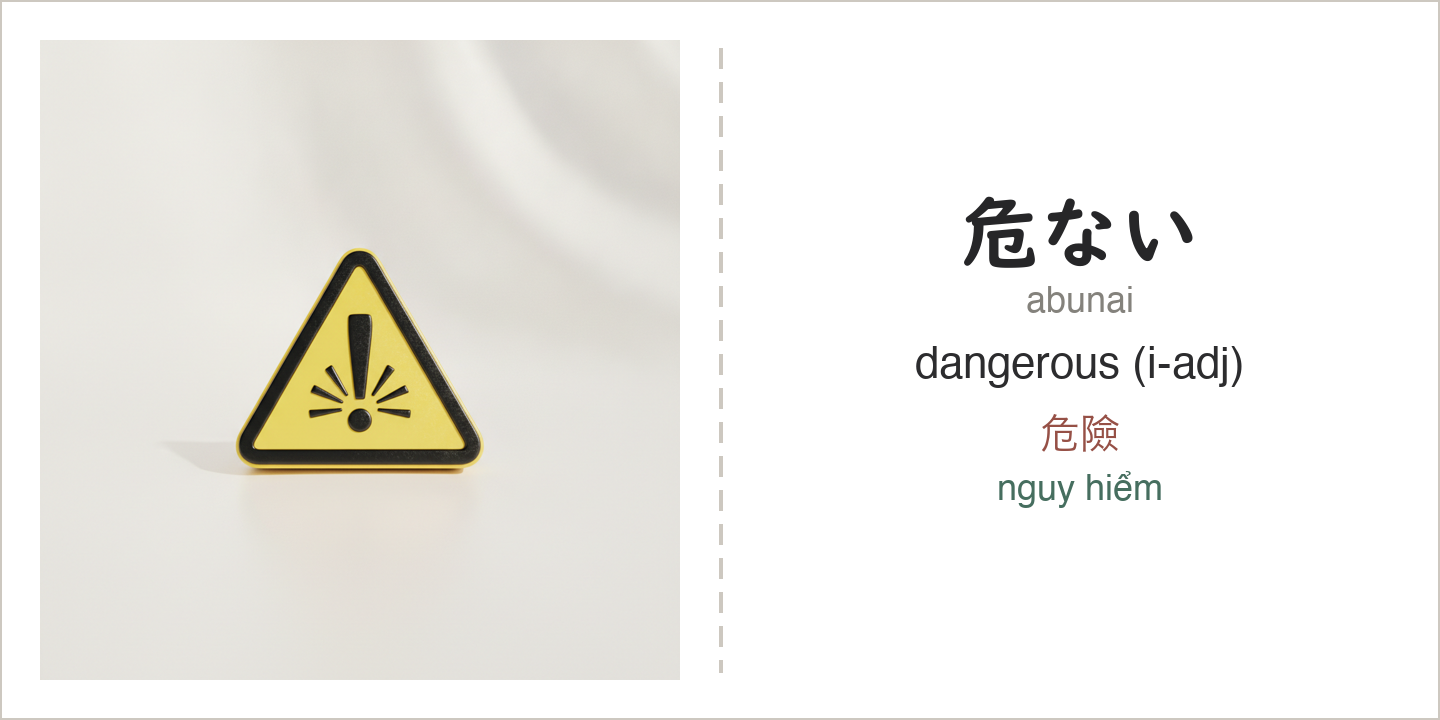
長く居るほど、 困難になる。 危険ではない ── それは一定だ。 困難なのは、 別のもの。
仕事は ますます 難しく なります。
Chapter 3: The First Exchange →
Key Sentences
1. V-た ことが あります (have done before)
マイクは スパイの 仕事を した ことが あります。
- Mike has done spy work before.
- 麦克做过间谍工作。 / 麥克做過間諜工作。
- Mike đã từng làm công việc gián điệp.
2. V-た ことが あります (have been somewhere)
マイクは いろいろな 国に 行った ことが あります。
- Mike has been to various countries.
- 麦克去过各种各样的国家。 / 麥克去過各種各樣的國家。
- Mike đã từng đến nhiều nước khác nhau.
3. V-たり、 V-たり します (do things like)
夜は 静かに 歩いたり、 写真を 撮ったり します。
- At night, (he) does things like walking quietly and taking photos.
- 晚上,又静静地散步,又拍照。 / 晚上,又靜靜地散步,又拍照。
- Buổi đêm, vừa đi bộ yên lặng, vừa chụp ảnh.
4. adj-く なります (becomes)
仕事は ますます 難しく なります。
- Work becomes harder and harder.
- 工作越来越难。 / 工作越來越難。
- Công việc ngày càng khó.
Practice out loud
Say the answer before you look. The same sentences you just read — now from your own mouth.
マイクは スパイの 仕事を した ことが ありますか。
はい、した ことが あります。
マイクは いろいろな 国に 行った ことが ありますか。
はい、いろいろな 国に 行った ことが あります。
夜は 何を しますか。
夜は 静かに 歩いたり、写真を 撮ったり します。
仕事は 易しく なりますか。
いいえ、易しく なりません。だんだん 難しく なります。
相撲を 見た ことが ありますか。
your own answer
休みの 日は 何を したり しますか。
your own answer
Green — HQ asks you. Blue — Mike answers. Dashed — your turn.
Vocabulary
| 日本語 | English | 简体 | 繁體 | Tiếng Việt |
|---|---|---|---|---|
| V-た ことが あります いろいろな 国に 行った ことが あります。 | have done before I have been to many countries. | 曾经做过 我去过很多国家。 | 曾經做過 我去過很多國家。 | đã từng Tôi đã từng đến nhiều nước. |
| V-たり、 V-たり 歩いたり、写真を 撮ったり します。 | do things like (examples) I do things like walking and taking photos. | 又 ... 又 ... 我会走走路、拍拍照什么的。 | 又 ... 又 ... 我會走走路、拍拍照什麼的。 | vừa ... vừa ... Tôi đi bộ, chụp ảnh, đại loại thế. |
| 成ります 仕事は だんだん 難しく なります。 | become The work gradually gets harder. | 变成 工作渐渐变难了。 | 變成 工作漸漸變難了。 | trở thành Công việc dần dần khó hơn. |
| 難しい 漢字は 難しいです。 | difficult Kanji are hard. | 难 汉字很难。 | 難 漢字很難。 | khó Chữ Hán khó. |
| 易しい この 問題は 易しいです。 | easy This question is easy. | 容易 这个问题很简单。 | 容易 這個問題很簡單。 | dễ Câu hỏi này dễ. |
| 国 いろいろな 国へ 行きました。 | country I have been to many countries. | 国家 我去过很多国家。 | 國家 我去過很多國家。 | nước Tôi đã đi nhiều nước. |
| いろいろ いろいろな 経験を しました。 | various, all kinds I had all kinds of experiences. | 各种各样 我有过各种各样的经历。 | 各種各樣 我有過各式各樣的經歷。 | nhiều loại Tôi đã có nhiều trải nghiệm khác nhau. |
| ますます ますます 寒く なります。 | more and more It is getting colder and colder. | 越来越 越来越冷了。 | 越來越 越來越冷了。 | ngày càng Trời ngày càng lạnh hơn. |
| 経験 いい 経験に なりました。 | experience It turned out to be a good experience. | 经验 这成了一次好经历。 | 經驗 這成了一次好經歷。 | kinh nghiệm Đó đã là một trải nghiệm tốt. |
| 海外 海外へ 行った ことが ありますか。 | overseas Have you ever been abroad? | 海外 你出过国吗? | 海外 你出過國嗎? | nước ngoài Bạn đã từng ra nước ngoài chưa? |
| 夏 日本の 夏は 暑いです。 | summer Summer in Japan is hot. | 夏天 日本的夏天很热。 | 夏天 日本的夏天很熱。 | mùa hè Mùa hè ở Nhật nóng. |
| 冬 冬は 寒く なります。 | winter Winter gets cold. | 冬天 冬天会变冷。 | 冬天 冬天會變冷。 | mùa đông Mùa đông trời trở lạnh. |
Grammar Patterns
V-た + ことが あります
Have done X (at some past point). Express life experience.
V-た + ことが ありません
Have never done X. Negative of experience.
V1-たり、 V2-たり + します
List representative activities. 'Do things like V1, V2 ...'
い-adj (く) + なります / な-adj (に) + なります
Become X. い-adj: drop い + く なる. な-adj: + に なる.
Grammar Picture
- 目標文型this lesson’s pattern这一课的句型這一課的句型mẫu câu của bài này
- 名詞noun名词danh từ
- 助詞particle助词trợ từ
- 述語sentence ending句尾句尾phần cuối câu
V-た ことが あります — life experience marker
This pattern is for life experiences — things you have done at least once. Not for recent events.
- OK: 日本に 行った ことが あります。 (I have been to Japan.)
- NOT OK: 昨日 日本に 行った ことが あります。 (Use plain past tense: 昨日 日本に 行きました。)
Use 「ことが あります」 for past experiences NOT tied to a specific recent time. For 'I ate sushi yesterday', say 「昨日 すしを 食べました」.
V-たり、 V-たり する — open-ended list
This pattern lists representative activities, not all of them. It implies 'and other things'.
- 家で 本を 読んだり、 音楽を 聞いたり します。 = At home, (I) do things like read books and listen to music.
The final 「する」 / 「します」 carries the tense:
- Past: 昨日 〜たり 〜たり しました。
- Future: 明日 〜たり 〜たり します。
〜く なる / 〜に なる — becoming
Two forms depending on adjective type:
- い-adj: drop い + く + なる
難しい → 難しく なる
大きい → 大きく なる - な-adj: + に + なる
静か → 静かに なる
有名 → 有名に なる - N: + に + なる
先生に なる = become a teacher
「なる」 implies a change of state over time. Use simple present for general trends, past for completed change.
Roleplay Practice
list 3 past experiences and 3 weekend activities.
Scene: An old friend meets Mike after many years.
Friend: マイク、 久しぶり。 どこの 国に 行った ことが ありますか?
(Mike, long time. Which countries have you been to?)
Mike: いろいろです。 中国、 ベトナム、 ヨーロッパにも 行った ことが あります。
(Many. I have been to China, Vietnam, and Europe too.)
Friend: 週末は 何を しますか?
(What do you do on weekends?)
Mike: 写真を 撮ったり、 歩いたり します。
(Take photos, walk, things like that.)
How do you say this in Japanese?
Q1. Which is correct: 'I have been to Kyoto before'?
- A. 京都に 行った ことが あります。
- B. 京都に 行く ことが あります。
- C. 京都に 行きます。
Show answer
✓ A. V-た + ことが あります for past experience.
Q2. What is the た form of 「行きます」?
- A. 行きた
- B. 行った
- C. 行きました
Show answer
✓ B. 行った
Same sound changes as the て-form (く → って, exception).
Q3. 「歩いたり、 写真を 撮ったり します」 means:
- A. I walk, then take photos
- B. I do things like walking and taking photos
- C. I walked and took photos yesterday
Show answer
✓ B. V-たり、 V-たり で representative listing (and others).
Q4. 「難しく なります」 means:
- A. is difficult
- B. becomes difficult
- C. was difficult
Show answer
✓ B. becomes difficult
Q5. Write: One country you have been to or done before.
Try V-た ことが あります.
Show answer
Sample: わたしは 日本に 行った ことが あります。 / わたしは すしを 食べた ことが あります。
How to Use This Lesson
Read the sections in the order they appear. About 40 minutes.
Tomorrow, come back and say the Key Sentences again — that is where it sticks.
For Teachers
For Teachers (45-60 minutes in class)
- Warm-up (5 min): 「日本に 行った ことが ありますか?」 — each student answers.
- た-form drill (10 min): 15 verbs to た form.
- Experience interview (10 min): Pairs interview each other on 5 life experiences.
- たり drill (10 min): Describe a typical Saturday using V-たり、 V-たり.
- Roleplay (15 min): First date — share experiences and hobbies.
- Check Yourself (5-10 min).
← Lesson 18 | Midnight Encounter | Lesson 20 →
“Minna no Nihongo” (みんなの日本語) is a textbook series by 3A Corporation. Cinema にほんご is an independent site, not affiliated with or endorsed by 3A Corporation — lesson numbers indicate correspondence only, and no textbook text is reproduced here.