Lesson 38 of 50 · 〜のは・〜のが · みんなの日本語 第38課 · N4
Story voice: 〜 N3–N2 Japanese — above this lesson’s level, on purpose. Your target is the Key Sentences.
Episode 38: The Weight of It
Mini Story
The Weight of It.
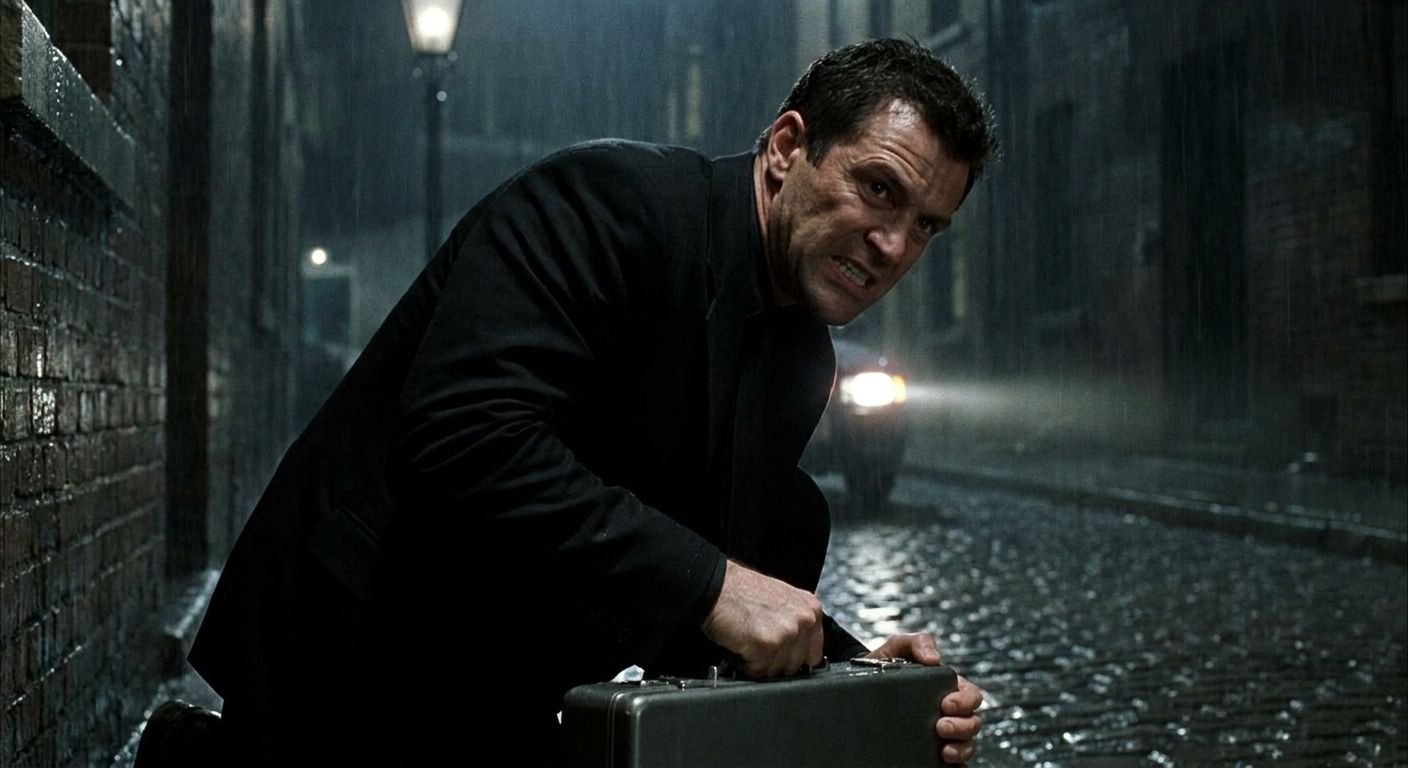
The case is heavier than it looks. There is a limit to what one person can carry alone.那个箱子比看上去重。一个人独自背一件重负,是有极限的。那個箱子比看上去重。一個人獨自背一件重負,是有極限的。Chiếc va li nặng hơn vẻ ngoài của nó. Một người gánh một mình, có giới hạn.
その ケースは見た目より重い。一つの荷を一人で背負うには、限界がある。
ひとりで この 荷物を 運ぶのは 無理です。
He has always preferred to move alone — fewer people, fewer leaks.他一直更喜欢单独行动——人越少,泄露就越少。他一直更喜歡單獨行動——人越少,洩露就越少。Anh vẫn luôn thích hành động một mình — càng ít người, càng ít rò rỉ.
彼は ずっと、一人で動くほうを好んできた ── 人が少なければ、漏れも少ない。
ひとりで 仕事を するのが すきです。
But fatigue breeds mistakes. To turn off the light — he forgot.但疲劳会生出过错。关灯这件事,他忘了。但疲勞會生出過錯。關燈這件事,他忘了。Nhưng mệt mỏi sinh ra sai sót. Tắt đèn — anh đã quên.
だが疲労は過ちを生む。明かりを消すのを、彼は忘れた。
でんきを 消すのを 忘れました。
And the thing he has only just learned — the chief is stepping down, soon.还有他刚刚才知道的事——部长,很快就要退了。還有他剛剛才知道的事——部長,很快就要退了。Và điều anh vừa mới biết — sếp sắp rút lui, không lâu nữa.
そして、彼が今知ったばかりの こと ── 部長が、まもなく退く。
ぶちょうが 退職するのを 知って いますか。
Key Sentences
1. V-のは … (the act of V-ing is …)
ひとりで この 荷物を 運ぶのは 無理です。
- Carrying this load alone is impossible.
- 一个人搬这件行李是不可能的。 / 一個人搬這件行李是不可能的。
- Một mình mang hành lý này là không thể.
2. V-のが 好きです (like V-ing)
ひとりで 仕事を するのが すきです。
- I like working alone.
- 我喜欢一个人工作。 / 我喜歡一個人工作。
- Tôi thích làm việc một mình.
3. V-のを 忘れました (forgot to V)
でんきを 消すのを 忘れました。
- I forgot to turn off the lights.
- 我忘了关灯。 / 我忘了關燈。
- Tôi quên tắt đèn.
4. V-のを 知って いますか (know that …)
ぶちょうが 退職するのを 知って いますか。
- Do you know that the chief is retiring?
- 你知道部长要退休吗? / 你知道部長要退休嗎?
- Bạn có biết trưởng phòng sắp nghỉ không?
Practice out loud
Say the answer before you look. The same sentences you just read — now from your own mouth.
ひとりで この 荷物を 運ぶのは どうですか。
ひとりで この 荷物を 運ぶのは 無理です。
マイクは 何を するのが 好きですか。
ひとりで 仕事を するのが 好きです。
電気を 消しましたか。
いいえ、消しませんでした。電気を 消すのを 忘れました。
部長が 入院するのを 知って いますか。
いいえ、知りませんでした。
あなたは 何を するのが 好きですか。
your own answer
何かを するのを 忘れた ことが ありますか。
your own answer
Green — HQ asks you. Blue — Mike answers. Dashed — your turn.
Vocabulary
| 日本語 | English | 简体 | 繁體 | Tiếng Việt |
|---|---|---|---|---|
| 〜の (nominalizer) 写真を 撮るのが 好きです。 | makes a verb into a noun I like taking photos. | (把动词名词化) 我喜欢拍照。 | (把動詞名詞化) 我喜歡拍照。 | (danh từ hóa) Tôi thích chụp ảnh. |
| 〜のは ひとりで 運ぶのは 無理です。 | the act/fact of ~ (topic) Carrying it alone is impossible. | …这件事(是) 一个人搬是不可能的。 | …這件事(是) 一個人搬是不可能的。 | việc ~ thì Một mình mang thì không nổi. |
| 〜のが ひとりで 仕事を するのが 好きです。 | ~-ing (subject/object of like, etc.) I like working alone. | …(喜欢…) 我喜欢一个人工作。 | …(喜歡…) 我喜歡一個人工作。 | việc ~ Tôi thích làm việc một mình. |
| 〜のを 電気を 消すのを 忘れました。 | ~-ing (object: forget/know/see…) I forgot to turn off the light. | …(忘记/知道…) 我忘了关灯。 | …(忘記/知道…) 我忘了關燈。 | việc ~ Tôi quên tắt đèn. |
| 運びます この 荷物を 運んで ください。 | to carry Please carry this luggage. | 搬运 请搬这件行李。 | 搬運 請搬這件行李。 | mang, vận chuyển Xin hãy mang hành lý này. |
| 無理(な) ひとりでは 無理です。 | impossible, too much Alone, it's impossible. | 勉强,不可能 一个人的话不行。 | 勉強,不可能 一個人的話不行。 | vô lý, không thể Một mình thì không thể. |
| 忘れます 鍵を 持って 来るのを 忘れました。 | to forget I forgot to bring the key. | 忘记 我忘了带钥匙来。 | 忘記 我忘了帶鑰匙來。 | quên Tôi quên mang chìa khóa đến. |
| 退職します 部長が 退職するのを 知って いますか。 | to retire, leave a job Do you know the manager is leaving the company? | 退职 你知道部长要退职吗? | 退職 你知道部長要離職嗎? | nghỉ việc Anh có biết trưởng phòng sắp nghỉ việc không? |
Grammar Patterns
の as nominalizer; のは/のが/のを.
V (plain) + の = a noun
Add の to a plain-form verb to turn the action into a noun: 運ぶ → 運ぶの (the carrying / to carry). Then use any particle: のは / のが / のを.
〜のは … / 〜のが …
のは makes the action the topic: 運ぶのは 無理です. のが marks it as subject/object of feelings & ability: 〜のが 好き / 上手 / 見えます.
〜のを (忘れる・知る・見る…)
Use のを with verbs that take an action as their object: 消すのを 忘れた (forgot to turn off), 〜のを 知っている (know that), 〜のを 見た (saw someone do).
Grammar Picture
- 目標文型this lesson’s pattern这一课的句型這一課的句型mẫu câu của bài này
- 名詞noun名词danh từ
- 述語sentence ending句尾句尾phần cuối câu
の vs こと — both nominalize
Both turn a verb into a noun. の is preferred for things you directly perceive or do (見る・聞く・忘れる・好き). こと is preferred for facts, abilities, and set phrases (趣味は〜こと, 〜ことが できる). With 好き/上手, の is more natural.
〜のは … です — for emphasis
「父が 生まれたのは 北海道です」 = (The place) my father was born is Hokkaido. のは…です highlights one piece of information (a cleft sentence).
Roleplay Practice
talk about what you like / forgot / know.
相棒: 手伝いましょうか?
(Shall I help?)
マイク: はい。一人で 運ぶのは 無理です。
(Yes. Carrying it alone is impossible.)
相棒: あ、部長が 退職するのを 知って いますか?
(Oh, do you know the chief is retiring?)
マイク: いいえ、知りませんでした。
(No, I didn't know.)
How do you say this in Japanese?
Q1. 「一人で 運ぶ___ 無理です」 (carrying alone is impossible)
- A. のは
- B. のを
- C. ので
Show answer
✓ A. のは — the action as topic.
Q2. 「音楽を 聞く___ 好きです」
- A. のが
- B. のは
- C. のを
Show answer
✓ A. のが — object of 好き.
Q3. 「電気を 消す___ 忘れました」
- A. のを
- B. のは
- C. のが
Show answer
✓ A. のを — object of 忘れる.
Q4. In the story, what did Mike forget?
- A. To lock the safe
- B. To turn off the lights
- C. His passport
Show answer
✓ B. 電気を 消すのを 忘れた.
Q5. Say something you like doing with 〜のが 好きです.
Try 「〜のが 好きです」.
Show answer
Sample: 本を 読むのが 好きです。
How to Use This Lesson
Read the sections in the order they appear. About 40 minutes.
Tomorrow, come back and say the Key Sentences again — that is where it sticks.
For Teachers
For Teachers (45-60 minutes in class)
- Nominalize drill (10 min): verb → 〜の; then attach は/が/を by context.
- の vs こと (10 min): perception/feeling (の) vs facts/abilities (こと).
- Likes & forgets (10 min): 〜のが好き / 〜のを忘れた sentences about themselves.
- Roleplay (15 min): share what you know/forgot/like.
← Lesson 37 | Midnight Encounter | Lesson 39 →
“Minna no Nihongo” (みんなの日本語) is a textbook series by 3A Corporation. Cinema にほんご is an independent site, not affiliated with or endorsed by 3A Corporation — lesson numbers indicate correspondence only, and no textbook text is reproduced here.