
Lesson 32 of 50 · 〜たほうがいい・〜でしょう · みんなの日本語 第32課 · N4
Story voice: 〜 N3–N2 Japanese — above this lesson’s level, on purpose. Your target is the Key Sentences.
Episode 32: Odds
Mini Story
Odds.
The air in the room is wrong. Mike trusts that feeling more than he trusts the silence. Better to move — right now.房间里的空气不对劲。比起寂静,麦克更相信这种感觉。最好行动——现在马上。房間裡的空氣不對勁。比起寂靜,麥克更相信這種感覺。最好行動——現在馬上。Không khí trong phòng có gì đó sai. Mike tin vào cảm giác ấy hơn là tin vào sự im lặng. Tốt hơn là di chuyển — ngay bây giờ.
部屋の空気が おかしい。マイクは沈黙よりも、その感覚を信じる。動いた方がいい ── 今すぐ。
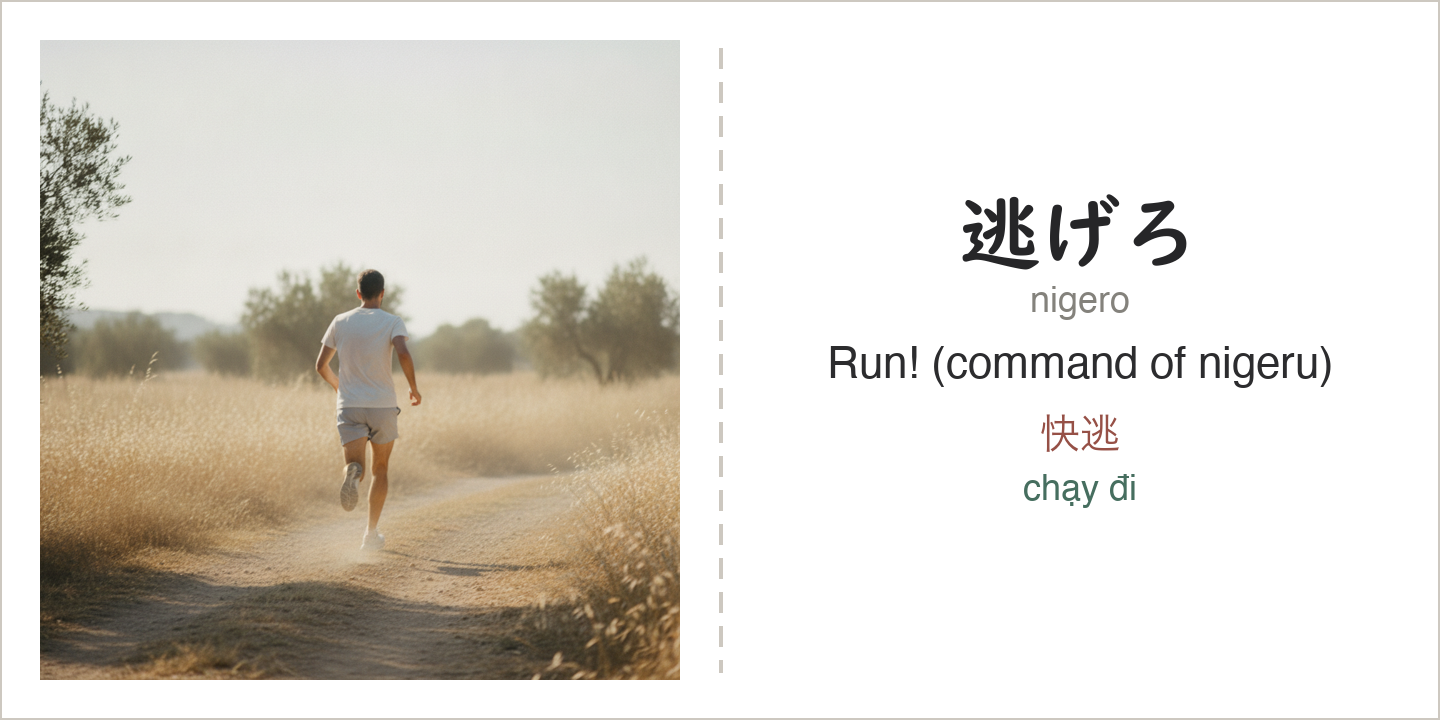
いま すぐ 逃げた ほうが いい。
He reads the night the way other people read a clock. They will come.别人读钟表,他读黑夜。那些家伙会来的。別人讀鐘錶,他讀黑夜。那些傢伙會來的。Người khác đọc đồng hồ, anh đọc màn đêm. Bọn chúng sẽ đến.
彼は、他の者が時計を読むように、夜を読む。奴らは来る。
こんや、敵が くるでしょう。
And one doubt he cannot shake off — the man beside him. He might turn.还有一个甩不掉的怀疑——身边这个男人。他可能会背叛。還有一個甩不掉的懷疑——身邊這個男人。他可能會背叛。Và một mối ngờ không rũ bỏ được — người đàn ông bên cạnh. Anh ta có thể sẽ phản bội.
そして、振り払えない一つの疑い ── 隣の男。彼は裏切るかもしれない。
かれは 裏切るかも しれません。
Key Sentences
1. V-た ほうが いい (advice — better to)
いま すぐ 逃げた ほうが いい。
- You’d better run right now.
- 现在马上逃比较好。 / 現在馬上逃比較好。
- Tốt hơn là chạy ngay bây giờ.
2. 〜でしょう (probability — likely)
こんや、敵が くるでしょう。
- The enemy will probably come tonight.
- 今晚敌人大概会来。 / 今晚敵人大概會來。
- Tối nay địch có lẽ sẽ đến.
3. 〜かもしれません (possibility — might)
かれは 裏切るかも しれません。
- He might betray us.
- 他可能会背叛。 / 他可能會背叛。
- Anh ta có thể phản bội.
Practice out loud
Say the answer before you look. The same sentences you just read — now from your own mouth.
どう したら いいですか。
いま すぐ 逃げた ほうが いいです。
今夜は どうなるでしょうか。
今夜は 雨が 降るでしょう。
あしたは 晴れますか。
いいえ、晴れないかも しれません。曇るでしょう。
かぜを ひいた ときは、どう したら いいですか。
無理を しない ほうが いいです。薬を 飲んだ ほうが いいです。
あしたの 天気は どうでしょうか。
your own answer
疲れた ときは、どう した ほうが いいですか。
your own answer
Green — HQ asks you. Blue — Mike answers. Dashed — your turn.
Vocabulary
| 日本語 | English | 简体 | 繁體 | Tiếng Việt |
|---|---|---|---|---|
| 〜ほうがいい いま すぐ 逃げた ほうが いいです。 | had better, it's better to You should get away right now. | 比较好 最好现在马上逃。 | 比較好 最好現在馬上逃。 | tốt hơn là Tốt hơn là chạy ngay bây giờ. |
| 〜でしょう 今夜、雨が 降るでしょう。 | probably, likely (high certainty) It will probably rain tonight. | 大概 今晚大概会下雨吧。 | 大概 今晚大概會下雨吧。 | có lẽ Đêm nay trời có lẽ sẽ mưa. |
| 〜かもしれません 彼は 裏切るかも しれません。 | might, may (lower certainty) He might betray us. | 可能 他可能会背叛。 | 可能 他可能會背叛。 | có thể Anh ta có thể sẽ phản bội. |
| 裏切ります 友達は だれも 裏切りません。 | to betray A friend betrays no one. | 背叛 朋友不会背叛任何人。 | 背叛 朋友不會背叛任何人。 | phản bội Bạn bè thì không phản bội ai cả. |
| 敵 敵は もう 近くに います。 | enemy The enemy is already close. | 敌人 敌人已经在附近了。 | 敵人 敵人已經在附近了。 | kẻ địch Kẻ địch đã ở gần rồi. |
| たぶん たぶん 敵が 来るでしょう。 | probably (with でしょう) The enemy will probably come. | 大概 敌人大概会来吧。 | 大概 敵人大概會來吧。 | chắc là Có lẽ kẻ địch sẽ đến. |
| たしか(な) たしかな ことは 分かりません。 | certain, sure I don't know anything for certain. | 确实 确切的事情还不清楚。 | 確實 確切的事情還不清楚。 | chắc chắn Điều chắc chắn thì tôi chưa biết. |
| 感覚 感覚を 信じた ほうが いいです。 | sense, feeling You should trust your instincts. | 感觉 最好相信自己的感觉。 | 感覺 最好相信自己的感覺。 | cảm giác Tốt hơn là tin vào cảm giác của mình. |
Grammar Patterns
certainty scale; ほうがいい takes た-form.
V-た / V-ない ほうが いい
Give advice. Affirmative uses the た-form: 行った ほうが いい. Negative uses ない: 行かない ほうが いい.
普通形 + でしょう
A guess with fairly high confidence ('probably / surely'). 雨が降るでしょう. Often with たぶん. Said with falling intonation (vs the rising 〜でしょう? of L21).
普通形 + かもしれません
A guess with lower confidence ('might / maybe'). 来るかもしれません. Weaker than でしょう — a real possibility, not a likelihood.
Grammar Picture
- 目標文型this lesson’s pattern这一课的句型這一課的句型mẫu câu của bài này
- 名詞noun名词danh từ
- 述語sentence ending句尾句尾phần cuối câu
でしょう vs かもしれません — how sure?
でしょう ≈ 80% sure (probably). かもしれません ≈ 40-50% (might). Pair でしょう with たぶん, かもしれません with もしかしたら.
〜ほうがいい — affirmative takes た-form
行った ほうが いい (better to go) — note the past form even for future advice. Negative: 行かない ほうが いい (better not to go).
Roleplay Practice
give advice + a prediction.
相棒: 敵は きますか?
(Will the enemy come?)
マイク: こんや くるでしょう。すぐ 逃げた ほうが いいです。
(They'll probably come tonight. We'd better run now.)
相棒: 彼は 信じられますか?
(Can we trust him?)
マイク: 裏切るかも しれません。気を つけましょう。
(He might betray us. Let's be careful.)
How do you say this in Japanese?
Q1. 「すぐ ___ ほうが いい」 (better to run)
- A. 逃げる
- B. 逃げた
- C. 逃げて
Show answer
✓ B. 逃げた — affirmative ほうがいい uses た-form.
Q2. Which shows HIGHER certainty?
- A. 来るかもしれません
- B. 来るでしょう
Show answer
✓ B. 来るでしょう (probably) > かもしれません (might).
Q3. 「裏切るかもしれません」 means:
- A. He will definitely betray
- B. He might betray
- C. He won't betray
Show answer
✓ B. He might betray.
Q4. In the story, when will the enemy probably come?
- A. Tonight
- B. Tomorrow
- C. Next week
Show answer
✓ A. こんや (tonight)
Q5. Give a piece of advice with 〜ほうがいい.
Try 「〜た ほうが いい」.
Show answer
Sample: はやく ねた ほうが いいです。
How to Use This Lesson
Read the sections in the order they appear. About 40 minutes.
Tomorrow, come back and say the Key Sentences again — that is where it sticks.
For Teachers
For Teachers (45-60 minutes in class)
- Certainty line (10 min): place かもしれません / でしょう on a confidence scale with example guesses.
- Advice drill (10 min): health/safety advice with 〜たほうがいい / 〜ないほうがいい.
- Weather & predictions (10 min): guess outcomes with でしょう + たぶん.
- Roleplay (15 min): advise a friend and predict a result.
← Lesson 31 | Midnight Encounter | Lesson 33 →
“Minna no Nihongo” (みんなの日本語) is a textbook series by 3A Corporation. Cinema にほんご is an independent site, not affiliated with or endorsed by 3A Corporation — lesson numbers indicate correspondence only, and no textbook text is reproduced here.